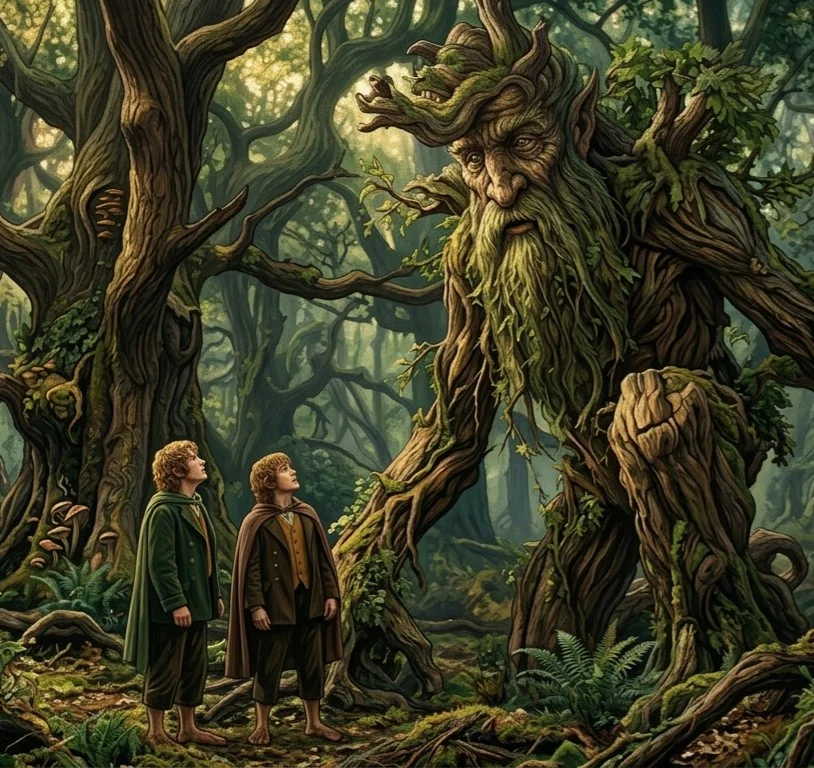
What is your name?
My name is growing all the time, and I've lived a very long, long time; so my name is like a story."
--Treebeard

My name is growing all the time, and I've lived a very long, long time; so my name is like a story."
--Treebeard
 Artificer
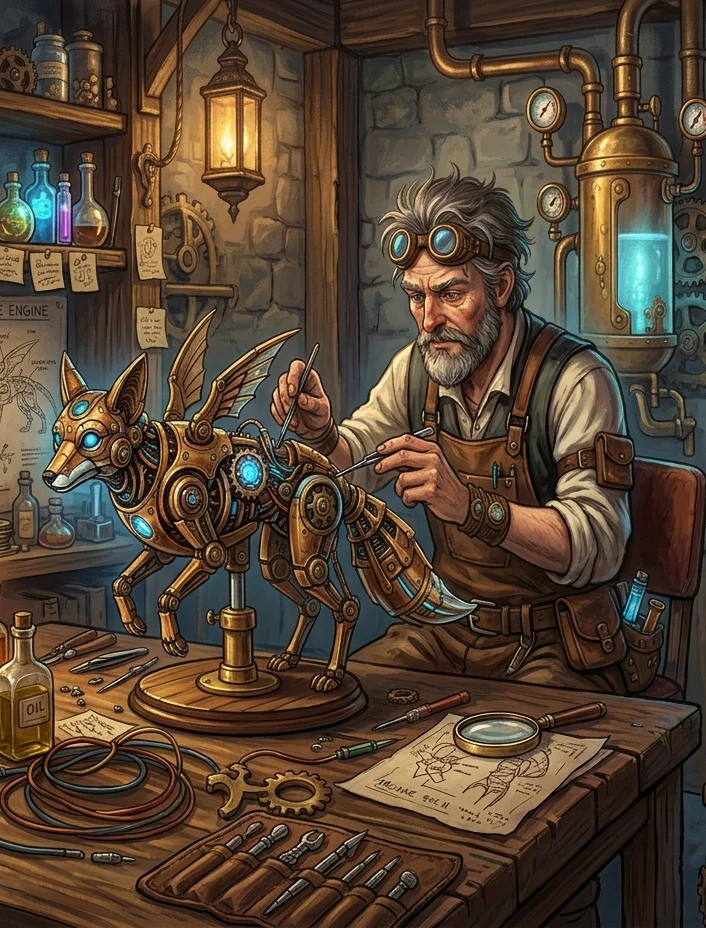
A gnome perched upon a cluttered workbench adjusts a brass-rimmed lens, her fingers dancing over the gears of a miniature mechanical hound. With a whispered word of command and a spark of sapphire light, the metal creature springs to life, its joints whirring with a rhythmic precision that echoes the heartbeat of progress.
Amidst the roar of the forge and the scent of ozone, a dwarf strikes a silver hammer against a weathered shield. With every blow, glowing runes of frost bleed into the steel, weaving a shimmering lattice of protection that will soon turn the searing breath of a dragon into nothing more than a harmless mist.
In the heat of the fray, an elf with soot-smudged cheeks tosses a crystal vial into the charging ranks of the hobgoblin vanguard. Upon impact, the glass shatters not into shards, but into a swirling vortex of emerald vapors that entwine the foes, slowing their limbs as if they waded through a river of thickest honey.
Artificers are the ultimate tinkerers, seeing magic not as a distant mystery, but as a system to be understood, dismantled, and rebuilt. They find the potential in every scrap of metal and every drop of essence, turning the mundane tools of the artisan into conduits for the extraordinary. To an artificer, a spell is simply a design waiting to be realized in physical form.
The path of the artificer is one of constant innovation. While wizards pore over dusty tomes and sorcerers look inward to their blood, artificers look to the world around them. They are masters of the workshop, using their knowledge of alchemy, metallurgy, and engineering to bind magic into physical objects. Whether it is a suit of enchanted plate, a wand of relentless fire, or a simple pair of boots that defy gravity, their creations are the hallmark of a mind that refuses to accept the limitations of the natural world.
To be an artificer is to be driven by a restless curiosity. They are the ones who venture into the ruins of fallen empires not for gold, but for the forgotten schematics of ancient machines. They seek the 'spark'—that rare moment where theory meets reality and a new invention is born. This drive often leads them far from the safety of their laboratories, compelling them to test their latest designs in the field. In the company of adventurers, an artificer serves as the ultimate problem solver, adapting their gear and their magic to overcome any obstacle that stands between them and the next great discovery.
 Barbarian
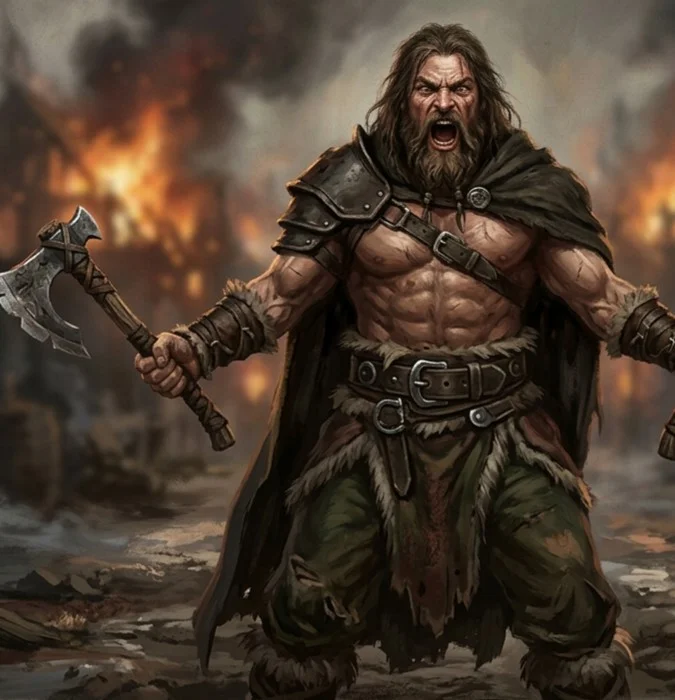
A tall man of the northern wastes strides through the howling teeth of a blizzard, draped in the heavy pelts of beasts and hefting a broad-bladed axe. He laughs a wild, terrible laugh as he charges toward a Frost Giant who dared despoil the herds of his kin, his voice echoing like thunder against the mountain's flank.
A woman of wild blood snarls at the latest challenger to her rule. She stands amidst her tribe, a figure of iron and fire, ready to break the pretender with her bare hands as she has done to all who came before. In her eyes burns the ancient light of the first hunters, brooks no dissent, and fears no blade.
A Dwarf, his beard stained with the froth of battle-madness, slams his helm into the face of a shadow-dwelling foe. He heeds no pain, turning with the speed of a mountain slide to drive an armored elbow into the gut of another. He is a whirlwind of grit and steel, a creature of the deep earth moved to sudden, violent upheaval.
These warriors, though they hail from disparate lands and strange lineages, are bound by a singular, terrible grace: the Rage. This is no mere fit of temper, but an unquenchable, unfettered fury—the ferocity of a cornered predator, the unrelenting assault of the Great Sea, and the churning turmoil of the storm-cloven sky.
For some, this wrath springs from a communion with the elder spirits of the wild. For others, it is drawn from a roiling reservoir of grief and iron-will in a world full of shadows. In every Barbarian, this rage is the forge-fire that fuels them.
The folk of the walled towns and the high seats of kings take pride in their "settled" ways, as if the forgetting of the wild earth were a mark of wisdom. To a Barbarian, however, such a life is a slow rot—a tethering of the soul. The truly strong embrace the Primeval, valuing the keen instinct and the raw physicality of the hunt.
They are ill-at-ease when hemmed in by stone and the press of crowds. They thrive only where the world is yet untamed: the frozen tundra, the lightless jungle, or the sun-drenched grasslands. In the chaos of the fray, they enter a Berserk State where the spirit takes the reins, granting them the strength of the giants and the endurance of the hills.
The life of a Barbarian is, by its very nature, a pilgrimage of peril. They stand as the Shield-folk of the Waste, charging headlong into the path of rival hosts, deadly winters, and the nameless terrors of the dark so that their people may endure.
This courage makes them uniquely suited for the life of an adventurer. Wandering is the ancient law of their tribes, and the rootless path of the quest is no hardship for those born under the open sky. Though they may long for the fires of their kin, many find a new brotherhood forged in the heat of battle among their companions, a bond as enduring as the very mountains.
Since these warriors often draw their power from the spirits of the wild, do you see your Barbarian following the "Path of the Ancestors" or perhaps one tied to the elemental fury of the world itself?
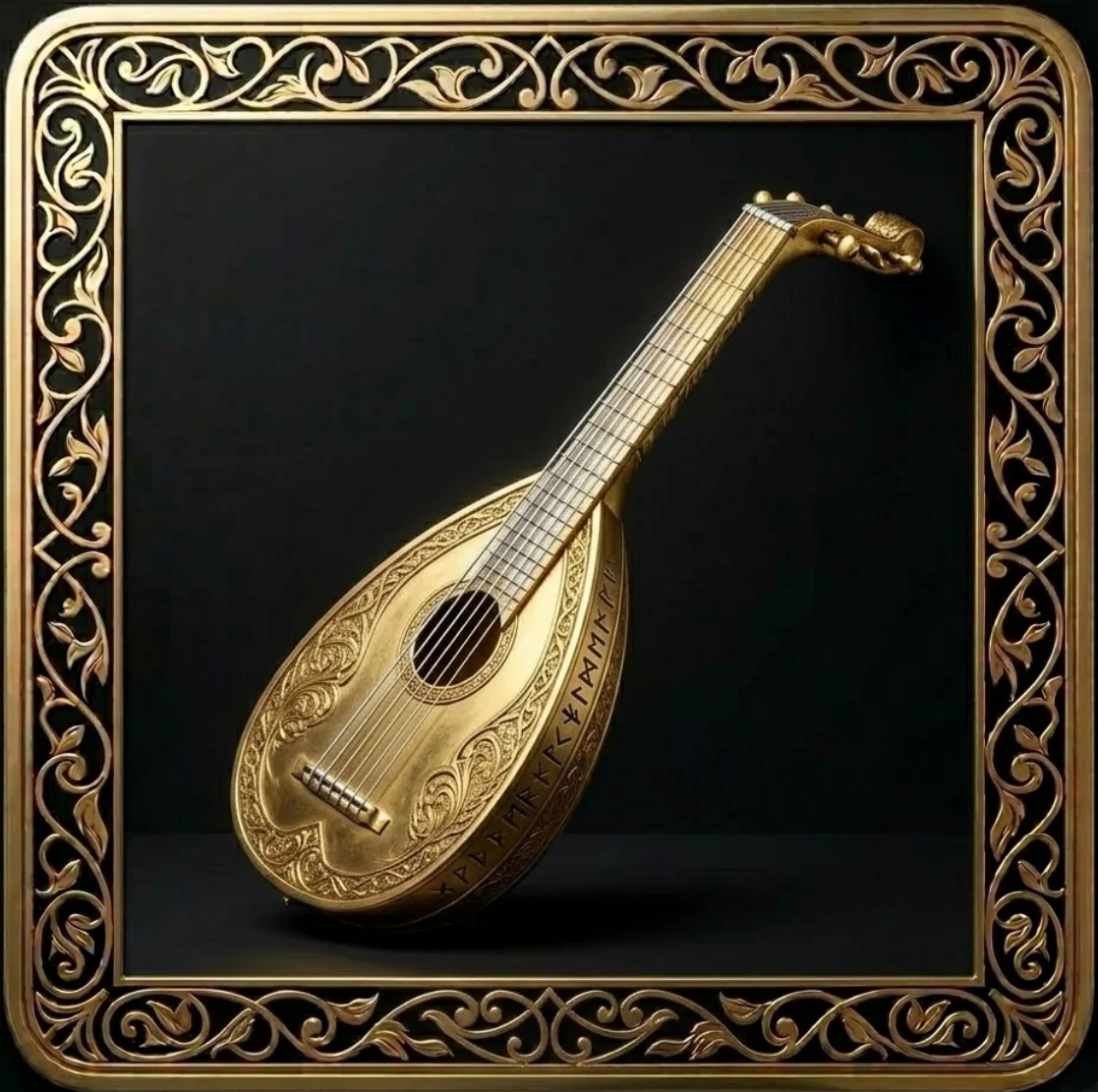 Bard
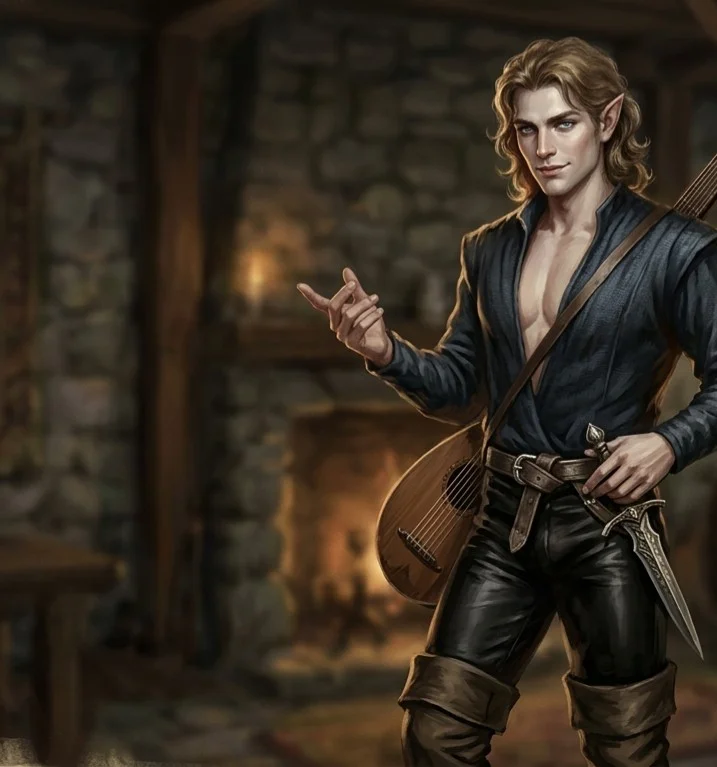
With a low melody upon her lips, a daughter of two lineages traces her fingers over the weathered runes of a stela, long-forsaken in the wild. As her song rises, the mists of time part; the lore of the Elder Days flows into her mind, conjured from the silence by the ancient power of her voice—beholding the faces of those who wrought the stone and the high, tragic sagas of their fall.
A grim warrior of the West beats his blade rhythmically against his steel byrnie, setting a thunderous pace for his chant of war. He calls upon his kin to remember their valor and the glory of their sires. The music of his defiance kindles a fire in their hearts, fortifying their spirits against the creeping shadow.
Merry of heart, a master of the Small Folk plucks the strings of her cittern, weaving a shimmering web of enchantment over the gathered lords. Under the spell of her subtle art, the pride of the high-seated softens, and the words of her companions find purchase like seeds in fertile earth.
Whether scholar of the hidden halls, skald of the North, or wanderer of the grey roads, a Bard weaves the primordial echoes of the world into song. Through word and music, they kindle hope in the weary, strike cold terror into the hearts of the fell, and heal the hurts of both body and spirit.
In the foundations of the world, words and music were not merely stirrings of the air, but the very craft of creation. The Bard is a seeker of those Lost Notes. It is said by the Wise that the Great Music gave the world its shape, and that the echoes of that first Theme still resound in the deep places of the earth and the high reaches of the stars. The Bard’s art is an endeavor to catch and harness those fleeting echoes, braiding them into spells of potency and light.
The strength of these Lore-masters lies in their manifold gifts. Many choose to stand apart from the press of blades, using their voices to bolster their fellows or to confound the Enemy from afar. Yet, should the need be dire, they are well-able to defend themselves, singing strength into their own sinews and tempering their mail with enchantments. Their craft leans toward the sublties of the mind—charms that beguile and illusions that deceive—rather than the crude fires of destruction. They are keepers of wide-ranging wisdom, possessing a natural grace that allows them to master any task to which they set their will, from the harper’s craft to the most esoteric of ancient mysteries.
True Bards are a rare folk in these darkening years. Not every minstrel who pipes for his supper in a wayside inn, nor every jester who capers in a king’s hall, possesses the true gift. To find the magic hidden in the air requires long study and a spark of the spirit that most common troubadours lack. To the unlearned, the difference may be slight; for like any wanderer, a Bard’s life is spent treading the paths of the world, gathering old tales and living upon the grace of their listeners. But a depth of hidden lore and a touch of the Unseen set the Bard apart from all others.
Seldom do they bide long in one dwelling. A restlessness of the spirit—a desire to seek out new songs, to find the light beyond the next hill—draws them toward a life of peril and wonder. To them, every journey is a chance to walk the halls of forgotten kings, to decipher tomes that have gathered dust since the breaking of the world, and to witness the deeds of the Great. They walk beside heroes so that they may speak of their valor with the authority of the eye-witness. For in the end, having sung so long of the heroes of the Elder Days, many Bards find that they have stepped into the Great Tale themselves, becoming the very legends they once labored to preserve.
How shall your song begin, traveler? What lost refrain do you seek to reclaim from the silence of the ages?
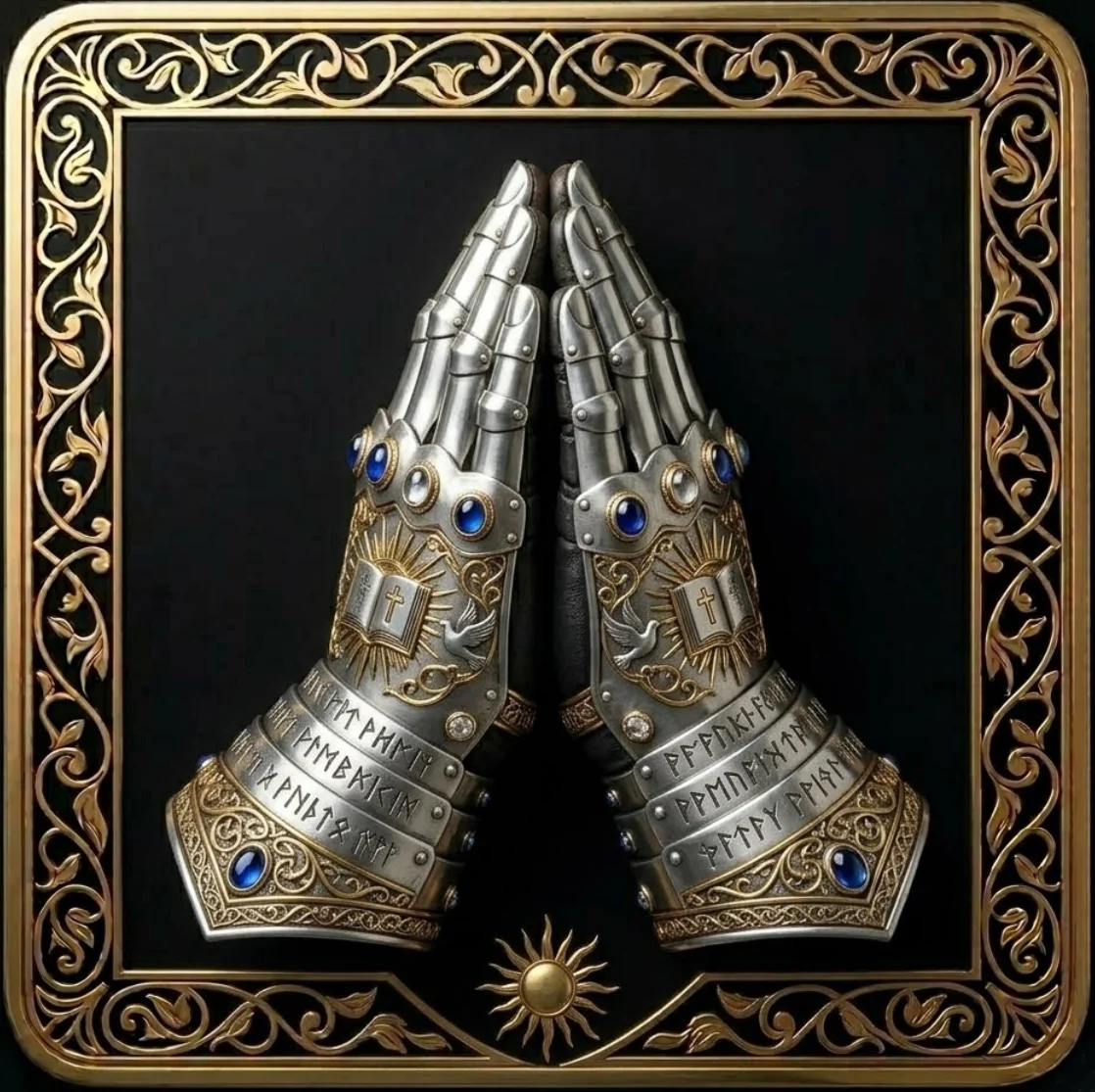 Cleric
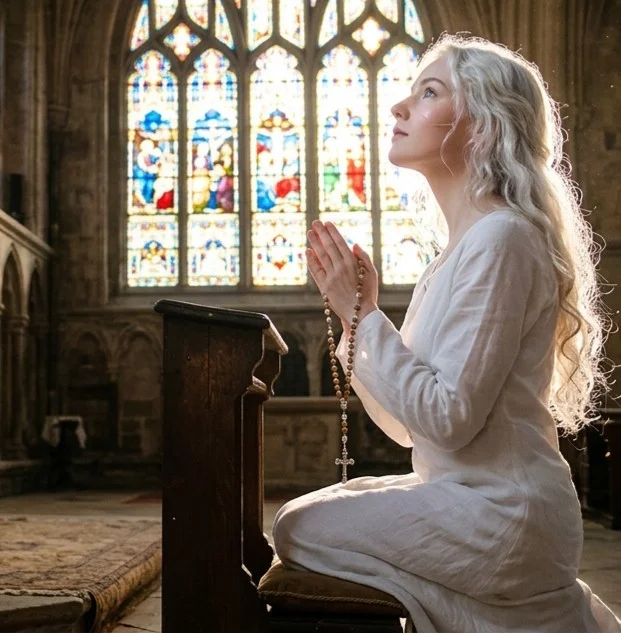
With arms and gaze uplifted to the morning sun, and a holy orison upon his lips, an elf begins to kindle with an inner light — a hidden flame that spills forth to mend the spirits of his battle-weary kin.
Chanting a song of ancient glory, a dwarf hews through the ranks of the Shadow-born with wide sweeps of his axe, shouting the praise of the Makers with every fell stroke.
Calling a curse upon the restless dead, a daughter of Men raises a hallowed sigil as a sudden dawn breaks from it, driving back the cold thralls that press upon her companions.
Clerics are the stewards and intermediaries between the mortal world and the hallowed realms of the Powers. As varied as the lords they serve, Clerics strive to embody the very craftsmanship of their deities. No mere temple-priest, a Cleric is a soul imbued with the Sacred Fire — a power not of this earth.
Divine magic, as it is named in the lore of the wise, is the power of the Great Powers themselves, flowing from the hidden places of the world into the hearts of the faithful. Clerics are the conduits of that flame, manifesting it as wonders that defy the encroaching Shadow. The Powers do not grant this strength to any who merely seek it, but only to those appointed to a high and perilous calling.
The wielding of such grace relies not on the study of dusty tomes or the rote training of the mind. Though a Cleric may learn the rites of yore and the songs of the Elder Days, the power to command the light rests upon unswerving devotion and an intuitive kinship with the will of the Divine.
Clerics combine the gentle arts of healing and the bolstering of spirits with the power to smite and hinder the servants of the Enemy. They may evoke both awe and dread, casting down blights upon the wicked or calling the very fires of heaven to consume the darkness. For those evildoers who yield only to the cold weight of iron, Clerics rely upon their training in arms to wade into the thick of the fray, the strength of the Powers upholding their hand.
Not every acolyte or keeper of a shrine is a Cleric. Many are called only to a simple life of service, tending the sacred groves or offering prayers in the quiet of the temple, possessing neither the strength of arms nor the hidden fire. In the great cities of Men, the priesthood may even become a political station, a stepping stone for the ambitious that holds no true communion with the Divine at all. True Clerics are rare and storied in the hierarchies of the world.
When a Cleric takes to the wild paths and the life of the wanderer, it is because their faith demands it. To pursue the errands of the Powers is to brave the terrors of the unsettled lands, to smite the Shadow where it dwells, and to recover hallowed relics lost in the tombs of old. Many are tasked to stand as a bulwark for the weak, whether that means defying raiding parties, weaving peace between warring realms, or sealing the dark gates that would allow a prince of the Void to enter the world.
Most adventuring Clerics maintain a bond with the ancient temples and orders of their faith. A sanctuary may send word seeking their aid, or a High Priest may be in a position to demand their service, for the burden of the Cleric is one of stewardship and eternal vigilance.
 Druid
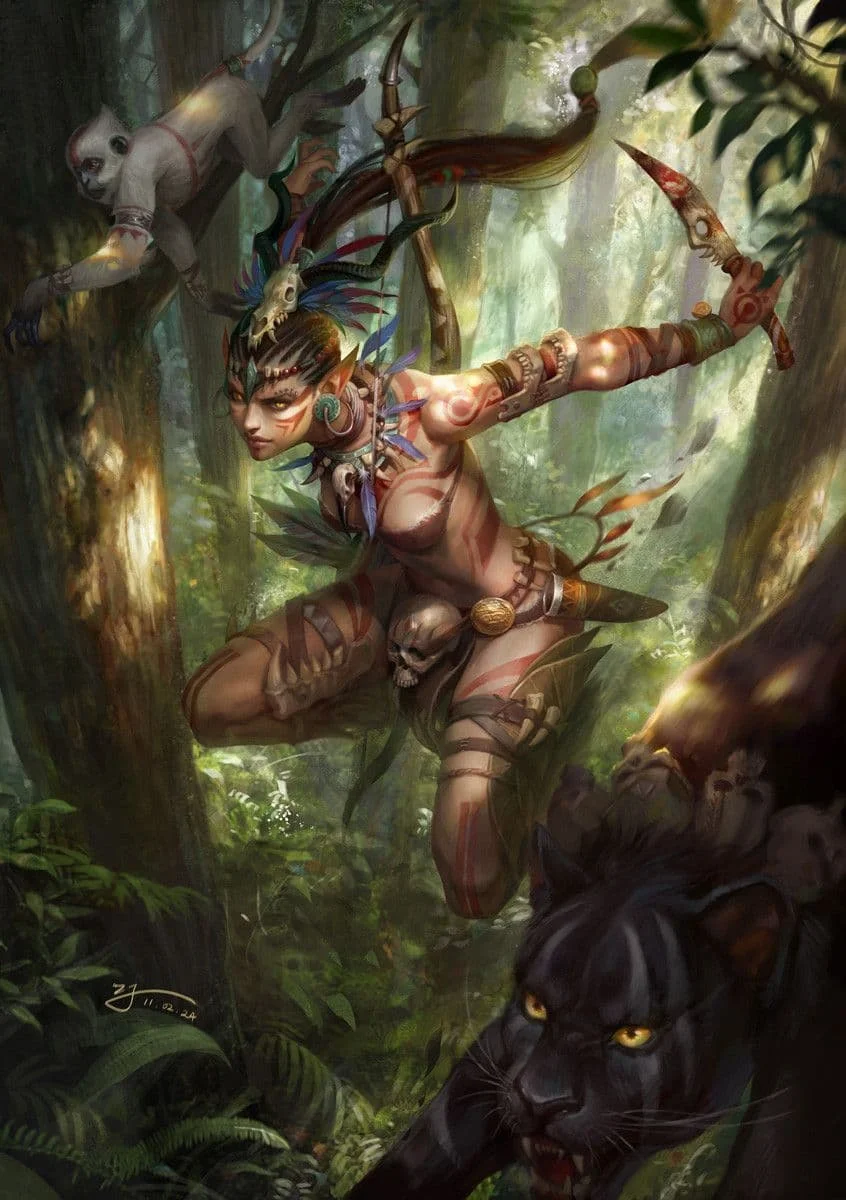
Up-raising a staff of knotted wood, bound about with bitter holly, an Elf-maiden calls upon the waking wrath of the storm. From the gathering gloom she draws swift spears of lightning to smite the foul, flame-bearing Orcs that dare encroach upon the borders of her ancient wood.
Hidden amid the high boughs, cloaked in the spotted hide of a leopard, a mortal Man watches from the deep jungle. With feral eyes he observes the cruel masonry of a dark fane, built to honor the corrupted winds, marking well the fell designs of its servants.
Wielding a blade of living flame, one of half-elven lineage casts himself against a marching host of bone and shadow. With every stroke, he sunders the dark sorceries that bind the dead, breaking the unnatural magics that give the foul creatures a mocking semblance of life.
Whether commanding the raw tempests of the earth or taking the shapes of the beasts that dwell upon it, the Druids are the very breath of the Wild—its enduring strength, its hidden cunning, and its waking fury. They claim no lordship over the forests or the stones; rather, they are the hands and voices of an ancient, indomitable will.
To the Druid, the living earth is held in highest reverence. The power that flows through them—the enchantments they weave—springs from the roots of the world itself, or from the divine stewards of the wild. Many seek not the structured prayers of high temples, but a silent, transcendent communion with the woods and waters. Others vow their service to the ancient guardians of beast and tempest. In the tongues of Men, this lore is oft named the Old Faith, an older, deeper song than the worship sung in halls of hewn stone.
The craft of the Druid is woven of nature's own threads: the tearing strength of tooth and claw, the golden light of the Sun and the silver beams of the Moon, the cleansing fire and the roaring storm. So deeply do they commune with the beasts of the earth that they may don their shapes as a man might don a cloak. Indeed, there are those among their order who dwell so long in the skins of animals that they forsake their birth-shape altogether, preferring the untamed freedom of the wood.
To the eyes of the Old Faith, the world is held in a fragile and sacred balance. The four great forces of the earth—the air, the earth, the fire, and the water—must abide in harmony. Should one rise in dominion over its kindred elements, the breaking of the world would follow, a ruin drawn into the void and shattered into its barest parts. Thus do the Druids stand fiercely against the Shadow and those dark cults that seek to elevate one power to the exclusion of all else, marring the symmetry of creation.
Furthermore, they are the wardens of the living breath of the earth, holding fast to the wisdom that the Free Peoples must dwell in harmony with the wild, not in enmity against it. The Druids accept the harsh cruelties of the natural world—the predator's hunt and the winter's bitter bite—yet they harbor a cold, abiding hatred for all things foul and unnatural. The twisted terrors born of the dark, and the walking dead who defy the natural doom of mortals, are abominations in their sight. When such nightmares crawl from the shadows to taint the unspoiled lands, the Druids will rouse to war.
Most often, these enigmatic folk are found holding silent vigil over sacred groves, or walking the untrodden paths of ancient, unspoiled realms. Yet, when a great peril arises, threatening to unmake the balance of the earth or the havens they protect, the Druids forsake their quietude. They take up staff and blade, venturing forth into the wider world to combat the gathering dark.
 Fighter
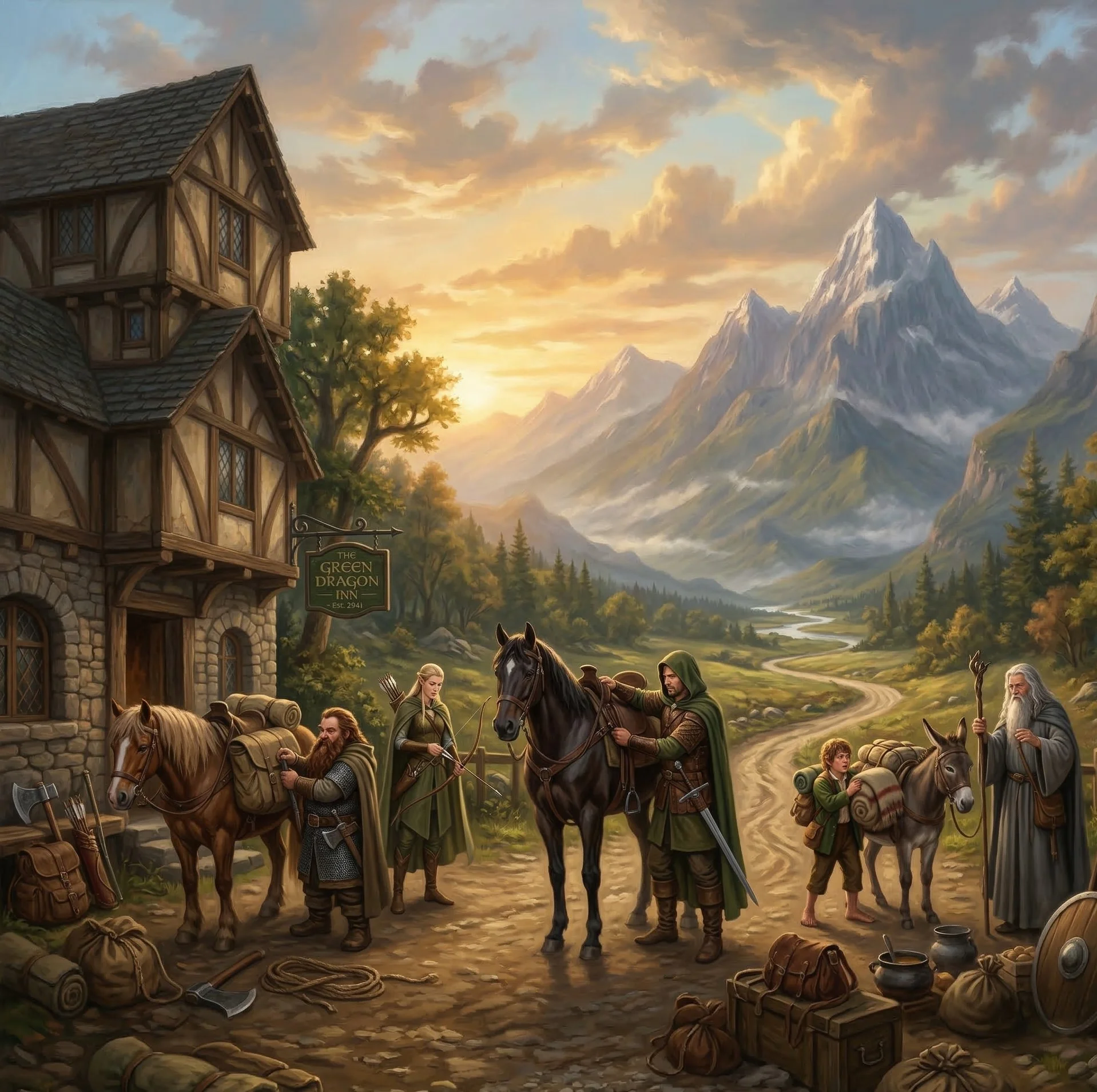
A daughter of Asgra, clad in a bright harness of plate that rings like a clarion in the fray, bears her shield aloft as she charges headlong into the massed and sniveling goblin-host. Behind her, an Elf of the woodland realms, garbed in cured hides and studded steel, rains feathered death from a bow of singular craft. Hard by their side, a Half-orc raises a voice of command, weaving their individual valors into a single, devastating strike.
A Dwarf, armored in a coat of silver-linked mail, thrusts his shield against the thunderous descent of an ogre’s maul, turning the fell blow aside. His companion, a Half-elf of lithe grace, moves in a shimmering tempest of twin scimitars, circling the beast as she seeks a rift in its iron-hard hide.
In the dust of the Great Arena, a master of the trident and net contends for the roar of the crowd, a dancer in the red theater of war who delights in the toppling of his foes. Yet his opponent is no common brawler; her blade kindles with a cold, blue light—a precursor to the sudden lightning she unleashes to smite him.
These heroes are Fighters, perhaps the most diverse of all who take up the quest within the world of Dungeons & Dragons. Whether they be wandering knights-errant, conquering lords of the high seats, royal champions, or hardened mercenaries of the borderlands, they are bound by a peerless mastery of the arts of battle. They are well-acquainted with the Shadow, having looked into the eyes of death and refused to yield.
A Fighter is versed in the broad lore of all combat styles. Every one of their number can swing a heavy axe, fence with a lithe rapier, or wield the greatsword with a strength that hews through stone. They are adept with the bow and the shield, and familiar with every manner of armor, from the leather jerkin to the knightly plate.
Beyond this general wisdom, each Fighter chooses a narrow path of excellence. Some seek the perfection of the bow, others the dizzying dance of two blades, and some even find ways to augment their martial prowess with the remnants of ancient sorcery. This union of broad skill and singular specialization makes them the superior lords of the battlefield and the deep dungeon alike.
It must be noted that not every spearman of the city watch or lad in the village militia truly deserves the name of Fighter. Such folk are but the common levy, possessing only the most basic knowledge of the spear and shield. True Fighters are the veterans of a hundred skirmishes, the captains of companies, and the knights of noble houses.
For many, the call of the wild and the lure of ancient ruins is but a natural extension of the life they have always known. The slaying of monsters and the delving into dark pits are familiar labors, though the stakes be higher and the glory far greater. For what common guardsman could ever hope to draw from the dust of ages a blade wreathed in flame, wrought in the dragon-fires of old?
 Monk
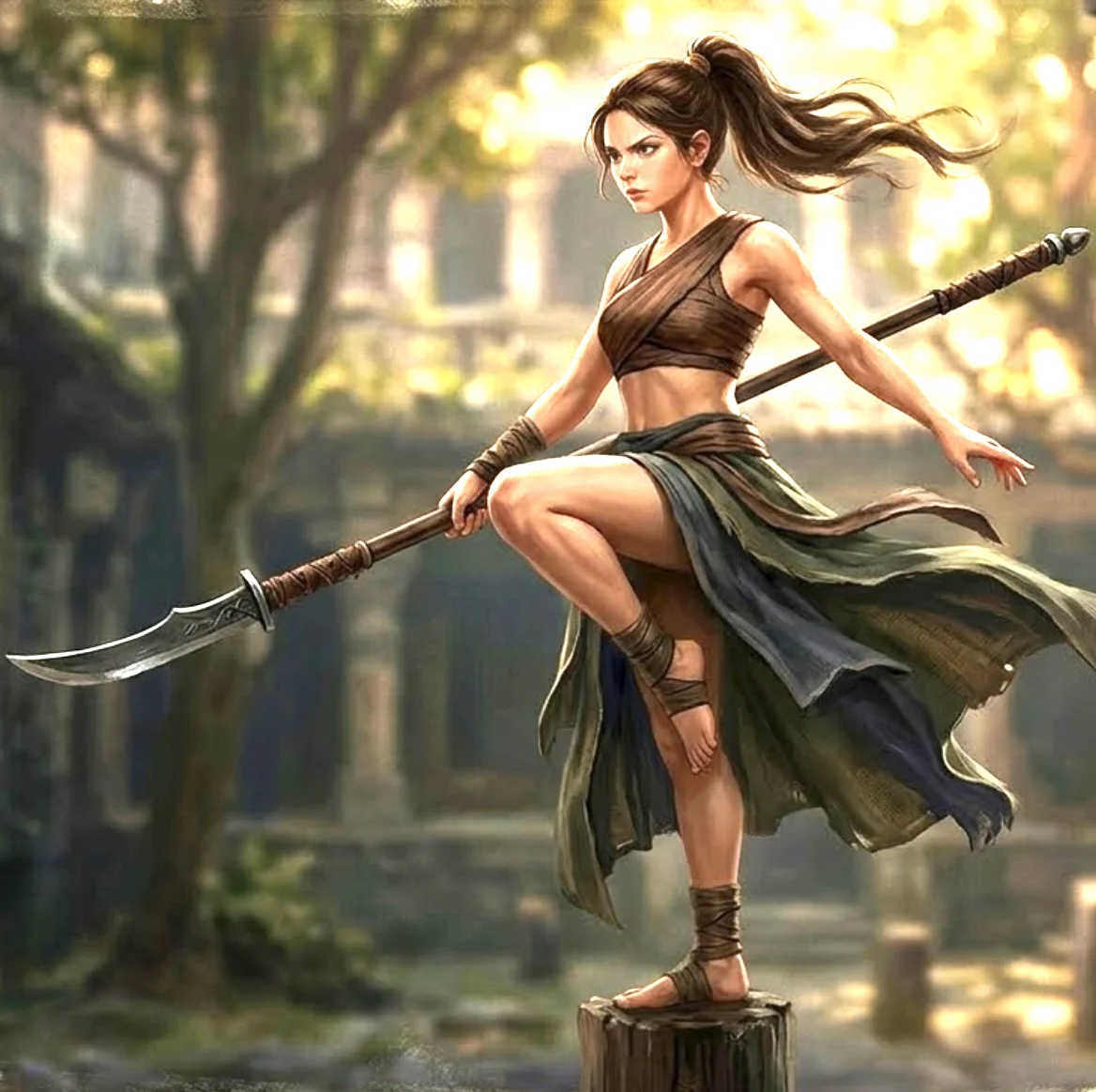
Her hands move with the swiftness of wings, catching the stinging flight of arrows before they find their mark. With the grace of a mountain stream, she leaps the barriers of the foe and plunges into the dark host of the great goblins on the further side. She moves among them like a storm, parrying their heavy blades and casting them down with a touch, until at last she stands alone amidst the silence of her own making.
Drawing a deep breath of the mountain air, a man marked with the ancient signs of his order settles into the stillness of the stone. As the foul orc-kind rush upon him with their jagged steel, he releases his breath as a roar of living flame, a great heat that consumes his enemies in a single moment.
Moving as a shadow beneath the moon, a small one clad in the raiment of the night steps into the gloom of a stone archway. In an eye-blink, she emerges from a pool of darkness upon a high balcony a stone's throw distant. She draws her keen blade from its silent sheath and gazes through the open window at the cruel prince, whose life hangs by a thread as he lies in the grip of sleep.
Whatever their discipline, these warriors are united in their power to command the unseen energy that flows through the vessels of the body. Whether it is shown as a striking display of prowess in battle or a subtle focus of speed and defense, this spirit infuses all that they do.
These seekers make a careful study of a vital energy that their traditions call the inner flame. This power is an element of the great magic that breathes through all things in the world, specifically that which flows through living flesh. They harness this strength within themselves to work wonders and exceed the common limits of the body, and some of their secret strikes can even hinder the flow of life in their opponents. Using this breath, they channel an uncanny speed and strength into their strikes. As they gain in years and wisdom, their long training gives them mastery over their own frames and the bodies of those who would stand against them.
Small cloisters of stone stand in the lonely places of the world, tiny refuges from the rushing tide of common life where time seems to linger. The seekers who dwell there pursue a path of perfection through quiet thought and long, arduous labor. Many entered these walls as children, sent to live there when their kin were lost, when the earth could no longer sustain them, or in return for some mercy the dwellers of the cloister had shown their families.
Some live entirely apart from the surrounding folk, hidden from anything that might hinder the progress of the spirit. Others are bound to silence and isolation, emerging only to serve as watchers or messengers at the command of their masters, a noble lord, or some other power of the world.
Yet the greater part of these seekers do not shun their neighbors. They make frequent journeys to nearby towns and villages, exchanging their labor and protection for bread and simple goods. As versatile warriors, they often become the shield of the common people, defending them against the shadow of tyrants or the hunger of monsters.
For a Monk, the choice to become a wanderer means leaving a life of quiet structure to walk the long roads of the world. This is a hard transition, and it is not undertaken lightly. Those who depart their cloisters take their task with great gravity, seeing their journeys as trials of their physical and spiritual growth. As a rule, they care little for the glitter of gold or the weight of silver, driven instead by a desire to fulfill a higher purpose than the mere slaying of beasts or the plundering of ancient hoards.
 Paladin
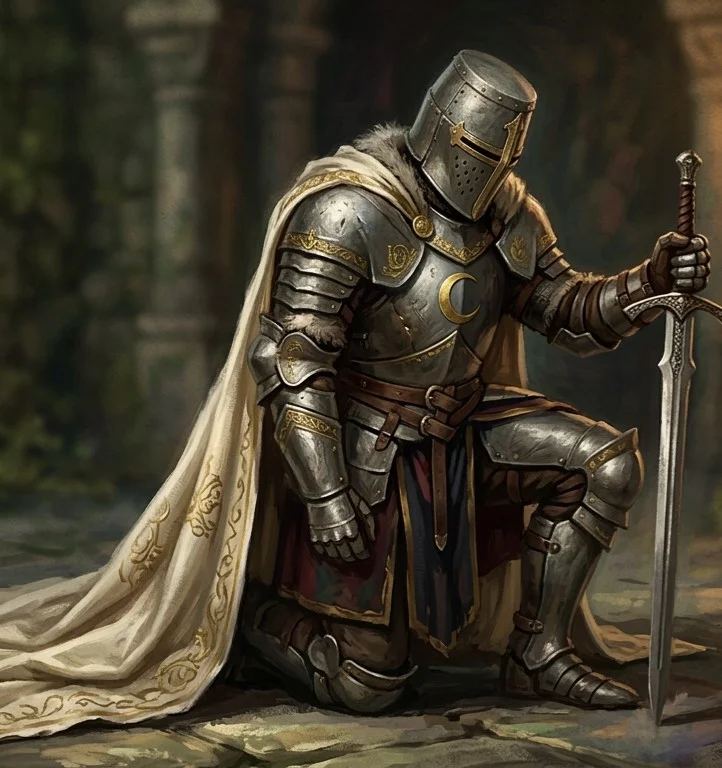
Clad in glimmering steel that flickers with a pale flame under the noon-day sun—despite the dust of many leagues and the stains of travel—a woman of noble bearing sheathes her blade and lays aside her shield. She kneels beside a man upon whom the shadow of death has already fallen. As she places her hands upon him, a white radiance, like the first light of a summer dawn, breaks from her palms. The rent flesh knits as if by some forgotten craft of the Elder Days, and the man beholds her with eyes full of sudden wonder, snatched back from the brink of the abyss.
Beneath the jagged crown of a lonely tor, a Dwarf bides his time. Wrapped in a mantle of midnight hue, he is but a stone among stones, unseen by the Orc-host carousing below in the red glare of their watch-fires. With the silence of a creeping mist, he descends into their midst. A low oath, grim and ancient, passes his lips; ere the echoes can stir, two of the foul folk have fallen to the earth, their lives ended before they could perceive the doom that walked beside them.
With tresses of spun silver caught in a shaft of celestial light, an Elf raises his voice in a song of terrible joy. His spear-point flashes like a falling star as he assails a misshapen giant, a creature of the pit. Again and again the bright steel bites, until the creature’s inner darkness is consumed by the unquenchable fire of the First Age that burns within the warrior’s soul.
Whatever their kindred or their hidden paths, Paladins are bound by Words of Power and Oaths of Iron to stand as a bulwark against the Great Shadow. Whether these vows are whispered before the high altars of the gods, spoken in the hallowed silence of a twilight glade where the spirits of the earth yet dwell, or cried out in a moment of bitter grief with only the silent dead to bear witness, a Paladin’s oath is a tether that cannot be broken. It is the wellspring of their might, transforming a mortal soldier into a Blessed Champion of the Light.
A Paladin is a sworn warden of the world’s hope. They are tasked to uphold the ancient laws of justice, to shelter all fair things against the encroaching Night, and to hunt the servants of the Enemy into the deepest dens of the earth. While many serve the High Powers of the heavens, a Paladin’s strength flows as much from their own indomitable will and devotion to the Right as it does from any divine grace. Though they are masters of the lore of weapons—having spent long years in the practice of the blade and the shield—their martial skill is but a vessel for the divine power they command.
To take the Paladin’s oath is to forsake the quiet life of the hearth and the plow. Unless a grievous wound has laid low, every Paladin dwells upon the marches of the world, where the Cosmic Struggle is most fierce. Stout men-at-arms and captains of the guard are rare enough in these fading years, but rarer still are those who hear the true calling. When the summons comes, these warriors turn from their old lives to take up the burden of the Holy Quest. Some may lead the knights of a great King, yet even then, their ultimate fealty belongs not to any earthly crown, but to the Cause of Light itself. For an adventuring Paladin, no journey is undertaken for the sake of gold alone. A descent into a ruin of the Elder Days or a lightless barrow is a pilgrimage of purpose. Evil lurks in the deep places and the primeval forests; even a single spark struck against that darkness may keep the world from falling into unending Oblivion.
 Ranger
Unkempt of hair and weathered of brow, a man of the West moves like a shadow through the gloom of the trees. He tracks the foul orc-kind that even now plot a raid upon the lonely crofts that lie beyond the wood's edge. With a short blade held in each hand, he becomes a sudden storm of steel, reaping a grim harvest among his foes as he leaps from the darkness.
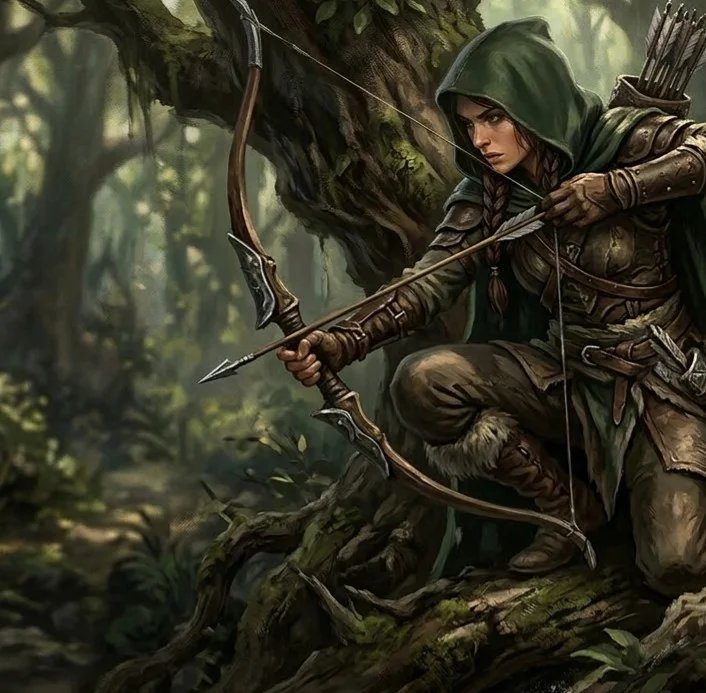
Having cast herself aside from the dragon’s bitter frost, a lady of the Firstborn rises to her feet and draws a great bow. Though a shadow of dread falls upon her heart, cold as the wyrm’s own breath, she masters her fear and stands firm. Arrow after arrow she looses, seeking the narrow paths between the creature’s iron-hard scales where a well-aimed shaft might find its mark.
A man of Elven blood stands beneath the high clouds and whistles a silver note to the hawk that circles above. The bird returns to his side, and in the liquid tongue of the Elves, he whispers soft words of counsel. He points toward the misshapen beast of claw and beak that prowls the thicket, and as the hawk takes flight to vex the creature, he draws a feathered shaft to his ear.
Far from the stone walls of great cities and the smoke of crowded towns, past the last hedgerows that mark the safety of the fields, these wardens keep their tireless vigil. In the deep silence of trackless forests and upon the grey wastes of the empty plains, they walk where others fear to tread.
They are the slayers of the Shadow’s minions, specialized in the hunting of those terrors that threaten the borders of the world. Whether they face marauding raiders, ravening beasts, or the ancient giants of the mountains, they move with the stealth of the predator, hiding themselves in the brush and the stone. Every craft of war they possess is bent toward a single purpose: the undoing of their chosen quarry.
From their long dwelling in the hidden places of the world, these wanderers have learned the old secrets of the earth. They command a subtle power, akin to the lore of the shepherds of the trees, and they weave spells of mist and briar to aid their silent passage. Their talents are honed with a deadly focus, for they have taken up the grim task of guarding the marches of civilization.
Though one of their kind might serve as a guide or a tracker for hire, their true calling is the protection of the simple folk who dwell in peace, unmindful of the darkness that presses in from the wild. Often they go unthanked and unseen, gathered in secret fellowships or walking the world alone, knowing they are the first and perhaps the last line of defense against the coming storm.
This solitary life breeds a hardiness of spirit, making them well-suited for long journeys and great deeds, for they are accustomed to the cold ground and the wind. They look with a quiet mirth upon those from the softer lands who lament the loss of a warm hearth or a soft bed, yet they know that in the hour of battle, any stout heart that can carry its own weight is a comrade beyond price. The folk of the cities may not know how to find water in the waste or food in the wild, but the warders of the wood find value in their strength nonetheless.
 Rogue
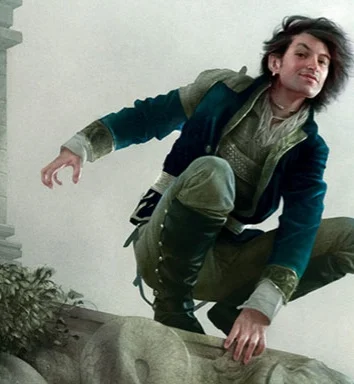
With a sign for her companions to bide their time, a person of the small-folk creeps forward through the gloom of the dungeon hall. She presses an ear to the cold timber of the door, then produces a set of slender tools and masters the lock in the mere blinking of an eye. Like a wisp of smoke in a draft, she vanishes into the shadows just as her stout-hearted friend moves forward to cast the door wide.
A man lurks in the deep darkness of an alleyway while his comrade prepares her part in the snare. When their quarry—a master of shackles and a dealer in misery—passes the mouth of the wynd, the companion raises a sudden cry. The villain turns to heed the sound, and in that moment of distraction, the hidden blade finds his throat, swifter than the strike of a serpent and silent as the falling leaf.
Stifling a merry laugh, a nimble-fingered dweller of the earth weaves a small magic with a wave of her hand, lifting the iron keys from the jailer's belt as if by an unseen breeze. In a heartbeat, the keys are within her grasp, the cell stands open, and she and her fellows are free to steal away into the night.
These practitioners of guile rely upon their own mastery, the art of the unseen, and the fleeting moments of their enemies' folly to gain the upper hand. They possess a hidden lore for the solving of riddles and the overcoming of obstacles, showing a readiness of spirit and a versatility that is the very cornerstone of any band of wayfarers.
They spend their days mastering many crafts, becoming experts in subtle arts that few others can hope to match. Many walk the paths of silence and deception, while others study the secrets of the deep places—climbing the sheer stone, unravelling the snares of the unwary, and mastering the teeth of iron locks. In the heat of battle, they prize cunning above the might of a broadsword. They seek the one true stroke, placed with such craft that it strikes deeper than a dozen frantic blows. They possess a strange, almost fey-like grace that allows them to slip away from peril unscathed, and some among them have even learned a few glimmerings of enchantment to bolster their natural wit.
In every city where men dwell, there are those who live by their wits alone. Many are scoundrels of ill repute—thieves, takers of lives, and weavers of lies—often gathered in secret fellowships of the night. Yet some walk a more honest path, plying their trade as makers of locks or seekers of truths, a peril-fraught life in a world where dark things haunt the foundations of the earth.
As wanderers, they may be found on either side of the law. Some are outlaws seeking the gold of ancient hoards, while others flee the king's justice to find a new life under the open sky. Some have honed their craft for the express purpose of treading the ruined halls of old and searching out the treasures of the Elder Days. Whether they serve the light or their own ends, they move through the world with light feet and keen eyes, ever ready for what the road may bring.
 Sorcerer
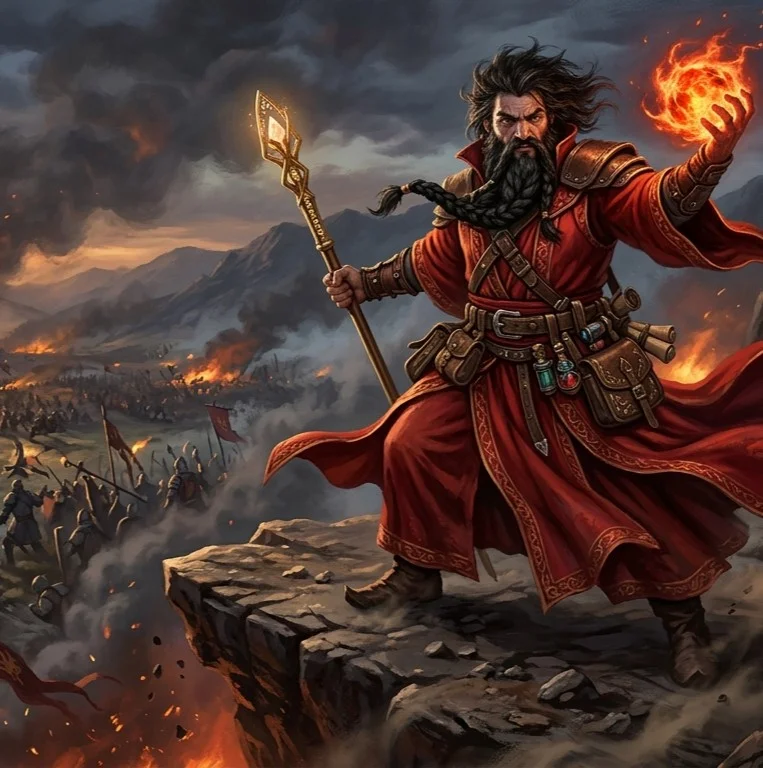
With eyes of burnished gold alight, a woman stretches forth her hand and calls upon the ancient dragon-fire that smolders in her blood. As a great heat devours her enemies, the shadow of leathery wings unfolds from her shoulders, and she takes flight upon a burning wind.
His long tresses tossed by a gale of his own summoning, a wanderer of ancient elven lineage flings wide his arms and greets the sky. A surge of power, sudden and terrible, rises through his frame and breaks from him in a deafening crack of lightning, illuminating the gloom like a falling star.
Crouched behind a jagged stone, a gnome points a slender finger at a charging dweller of the deeps. A sudden tongue of flame leaps forth to strike the beast. She retreats into the shadows with a merry grin, unaware that the wild music of her magic has left her skin the color of the evening sky.
Such folk possess a magical birthright, a heritage of old granted by an ancient bloodline, some otherworldly grace, or the touch of cosmic forces beyond the ken of the wise. This art cannot be gleaned from the study of tongues nor from the dusty scrolls of the learned, any more than one might learn to live a life of legend. No person chooses this path of their own will; rather, the power itself seeks out its master and claims them for its own.
For these individuals, magic is not a tool to be wielded but a part of their very being, suffusing spirit and flesh with a latent strength that waits to be stirred. There are those whose might springs from a lineage of old, infused with the terrible majesty of the dragons of the Elder Days. Others carry within them an untamed tempest, a chaotic force that manifests in ways unlooked-for and strange.
The awakening of such power is a thing of chance and wonder. Some draconic bloodlines produce but one such child in an age, while in others, every kin is born with fire in their heart. Oftentimes, these talents appear as a sudden flowering of fate. Some can name no source for their gift, while others trace it to some dark shadow or bright light from their youth—the touch of a fell spirit, the blessing of a tree-maiden at birth, or a draught from a hidden, enchanted spring. So too might it come from the hand of a Power, the raw elements of the world’s making, or a fleeting glimpse into the very music of reality.
They have no use for the heavy tomes and spellbooks upon which the wizards of the world rely, nor do they seek the favor of hidden masters to grant them strength. By learning to govern the wellspring of their own innate power, they find new and wondrous paths to unleash the fire that dwells within.
Rare indeed are these folk in the wide world, and seldom is one found who does not tread the road of peril. The power that seethes in their veins is a restless thing that will not bide in silence; it demands to be used, and if it is not called upon, it may spill forth in ways both sudden and strange. Often they are driven by obscure or wandering desires. Some seek to understand the force that dwells in their bones, or to unravel the mystery of how it came to be. Others hope to cast it aside as a burden, or to find its ultimate purpose. Whatever their intent, they are as steadfast in a company as any master of lore, making up for what they lack in the breadth of their scrolls with a marvelous and shifting mastery of the power they hold.
 Warlock
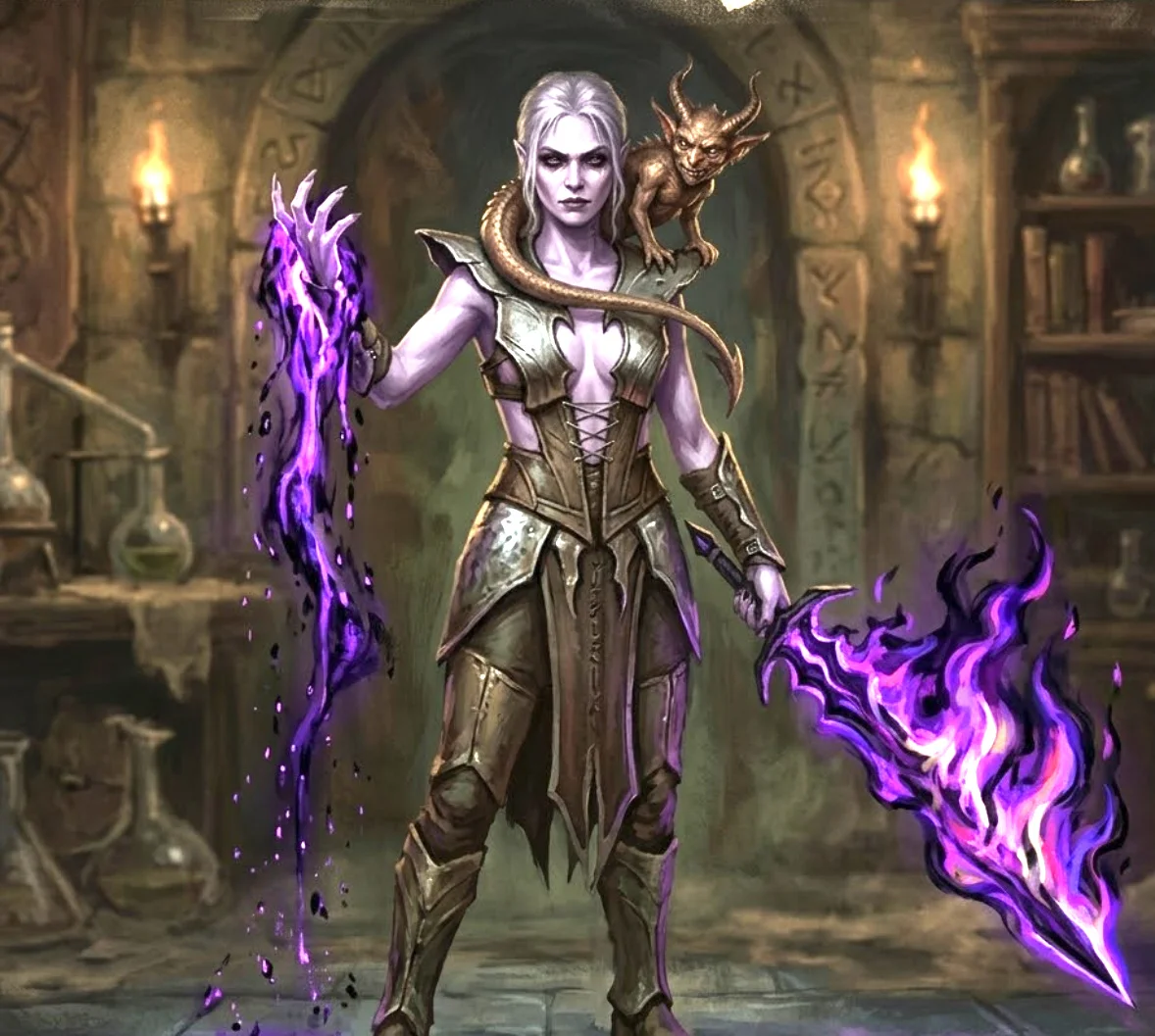
Upon the shoulder of a fair-spoken Elf sits a tiny dragon, its eyes gleaming with a clever, ancient light. Clad in raiment of golden hue, the youth weaves a thread of enchantment into his velvet speech, and the mind of the palace guard is turned as easily as a leaf in a summer breeze.
In a darkened hall, a woman of many winters—one whose face is deeply lined with the weight of forbidden years—breathes a name spoken only in the depths of the blackest pits. As the secret syllables pass her lips, a baleful fire leaps from her fingertips, infused with the malice of her unseen master.
Beneath a sky where the stars align in strange and ominous patterns, a wanderer of the horned kind, his eyes alight with a fevered madness, consults a tome bound in ancient, weathered hide. He chants a rhythmic, guttural song of opening, seeking to pierce the veil of the firmament and look upon the terrifying reaches of the outer void.
Warlocks are those who seek the lore that lies hidden in the very foundations of the world. They are not content with the slow, dusty study of the scholar; instead, they strike fell bargains with beings of immense and terrifying potency. Through these pacts, they unlock secrets both subtle and wondrous, drawing strength from the high lords of the fey, the shadow-dwellers of the abyss, or entities that drifted into the world from the darkness before the first sunrise. By piecing together arcane secrets from hags, demons, and alien entities, they bolster their own strength against the coming shadows.
The heart of a warlock is defined by their covenant. This bond is seldom like that of a priest to a god; rather, it is the relationship of a vassal to a liege, or an apprentice to a stern and ancient master. A warlock may lead a hidden cult to a prince of darkness or a lord of the hidden realms—beings that the common folk rightfully fear and shun. In exchange for their arcane gifts, the warlock must often perform services of great peril or moral weight, acting as the hand of their patron in the mortal realm.
The magic bestowed ranges from minor but lasting alterations to the warlock's being, such as the ability to pierce the thickest gloom with their sight or read any tongue ever written, to the mastery of powerful spells. Unlike the wizards who dwell in towers of stone, warlocks are seasoned for the road. They are clad in leathers and are passing fair with a blade or mace, supplementing their sorcery with the grit of a traveler in the wild.
There is a hunger in the soul of a warlock that cannot be sated by bread or wine. It is an insatiable thirst for the secrets of the multiverse—the why and how that lie behind the stars. This drive pushes them to seek out the strange, starlit courts hidden in the deep woods, or to dredge up scrolls of the elder days from beneath the dust of ruined kingdoms.
Many are the paths to such power. One may wander into a sun-dappled glade and meet a lady of the woods, entering into a bond of silver and starlight without ever knowing the cost. Another may delve too deep into the black ink of a forbidden book, finding their mind opened to the cold whispers of the stars that dwell in the emptiness beyond.
Once the bargain is struck, the warlock is a creature of restless purpose. No soul commits themselves to such powerful masters merely to sit by the hearth and grow old. They are driven into the wild places of the world, compelled by their own ambition or the inscrutable commands of their patron to seek adventure, for the fire of their magic demands to be tested against the world.
 Wizard

Arrayed in the silver raiment of her highborn Elven heritage, a lady of the Firstborn veils her eyes against the clamor of the field and begins a soft, rhythmic chant. With hands weaving a pattern in the air, she completes her art and flings a tiny spark toward the enemy host; there it swells into a great and consuming fire that devours the ranks of those who stand against her.
With the gravity of one who deals in dangerous lore, a man of mortal birth marks out an intricate ring of power upon the stone, tracing the chalk with a steady hand and strewing the lines with the dust of iron. When the circle is wrought, he intones a long and deep-voiced spell. A rent appears in the very air within the ring, and there comes a foul breath of sulphur and brimstone from the shadow-realms that lie beyond the world of light.
Seated upon the floor where the tunnels meet, a dweller of the hidden places casts forth a handful of small bones carved with runes of power, murmuring words of the unseen over them. He closes his eyes to better behold the visions that dance behind his lids, then with a slow nod, he rises and points toward the dark passage that leads to his left.
These are the high masters of the Hidden Arts, united by the lore they keep and the spells they weave. Drawing upon the subtle music that flows through the foundations of the world, they command the lightning of the peaks and the fires of the deep. Their craft may summon strange beings from the Void, grant glimpses of what is yet to be, or command the very spirits of the fallen. Their greatest works can change the nature of things, call stars from the firmament, or open gates to realms beyond the reach of mortal feet.
The power of magic is a wild and ancient thing, drawing to it those who seek to master its mysteries. Some desire to stand as the Powers themselves, shaping the world to their will. Though the casting of a common spell may seem a simple matter of a few strange words and a movement of the hand, these outward signs are but the fruit of long years of labor, of the reading of many scrolls, and of the wisdom gained under the tutelage of masters.
For such folk, their spells are their very life and breath, and all other concerns are but shadows. They gather new wisdom as they walk the world, learning from the scrolls of those who went before, or from the ancient speech of the fey-folk who have dwelt in the world since its beginning.
Seldom is the life of such a scholar a quiet one. While some may bide in the great libraries or the halls of kings, serving as seekers of truth and teachers of the young, the hunger for lost lore calls even the most cautious from their hearths. They are drawn to the crumbling ruins of the Elder Days and the silent halls of sunken cities, for they believe that the masters of old held secrets that have long been forgotten by the world. To find such knowledge is to walk a path toward a power that has not been seen under the sun for many an age.
Home is behind, the world ahead, And there are many paths to tread. Through shadow to the edge of night, What lore shall guide your steps aright?


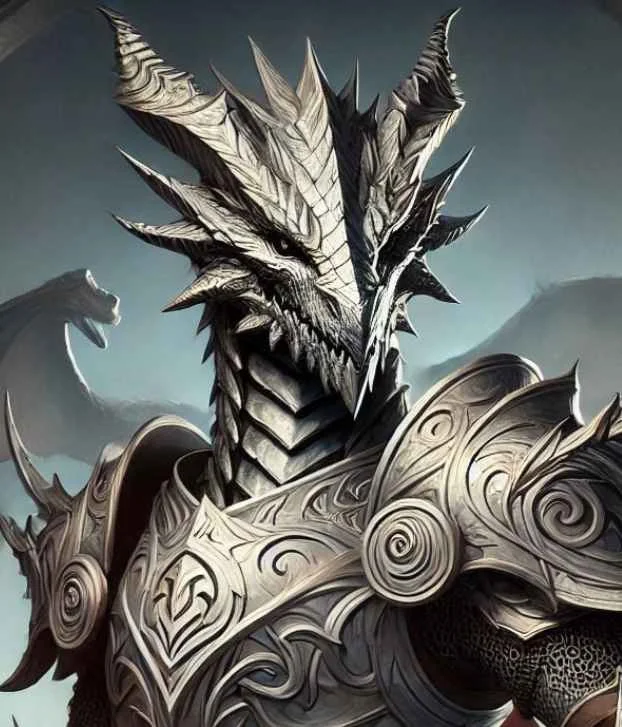
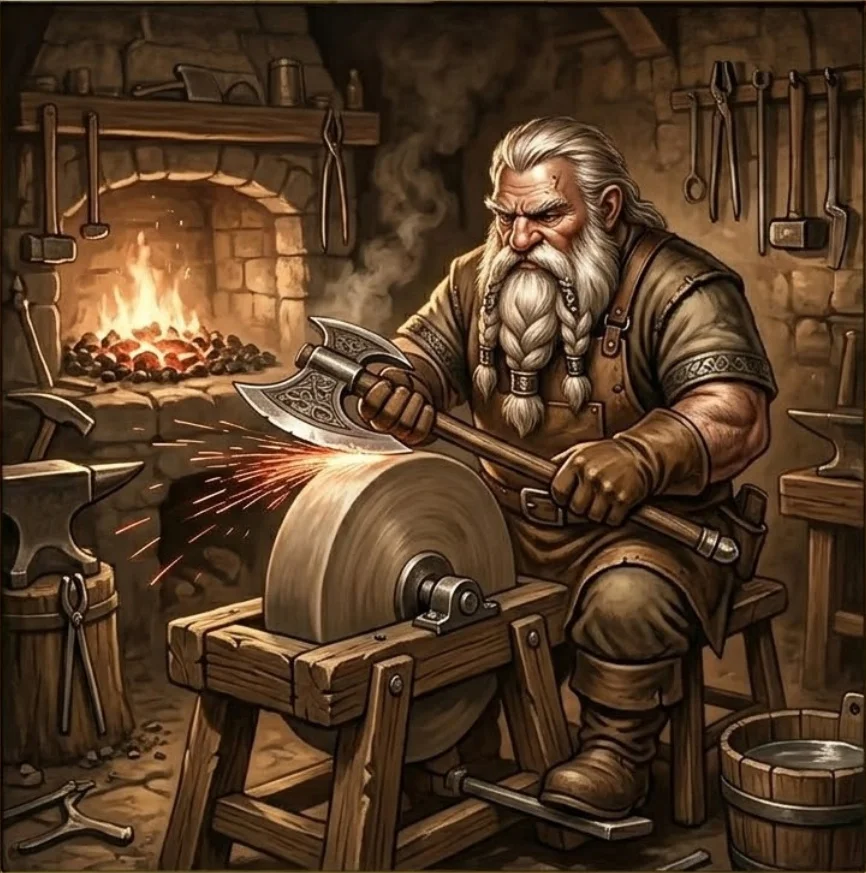



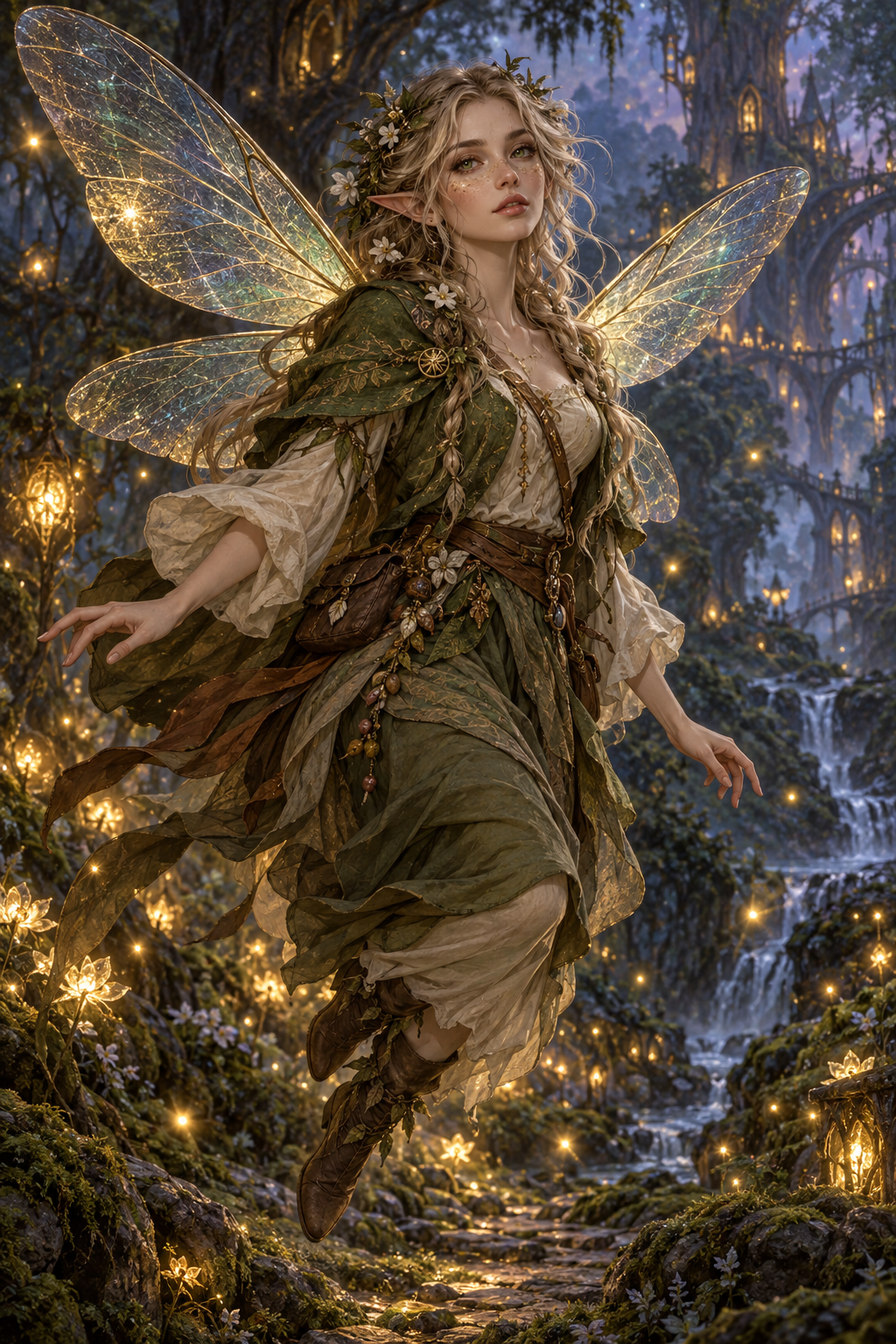

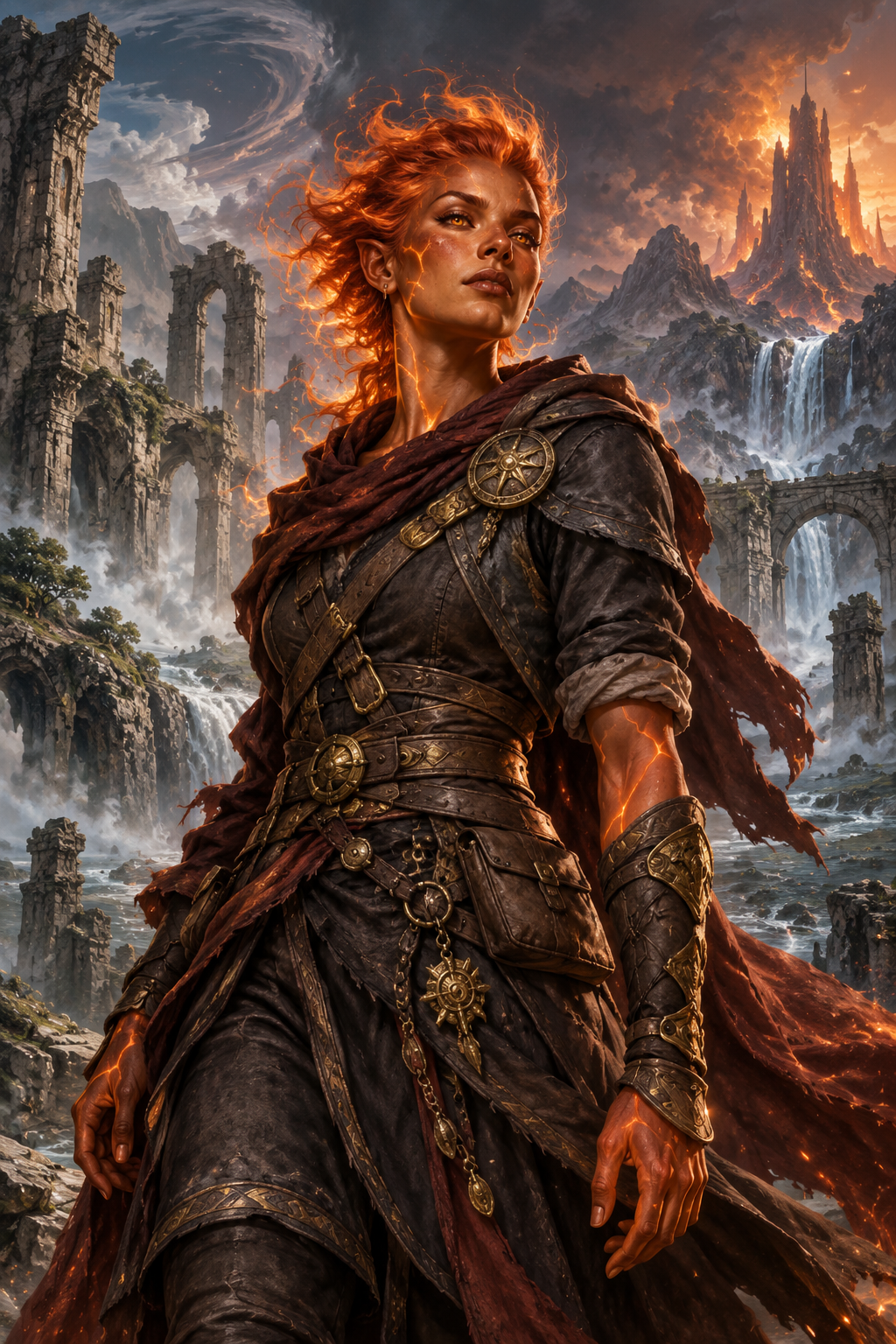

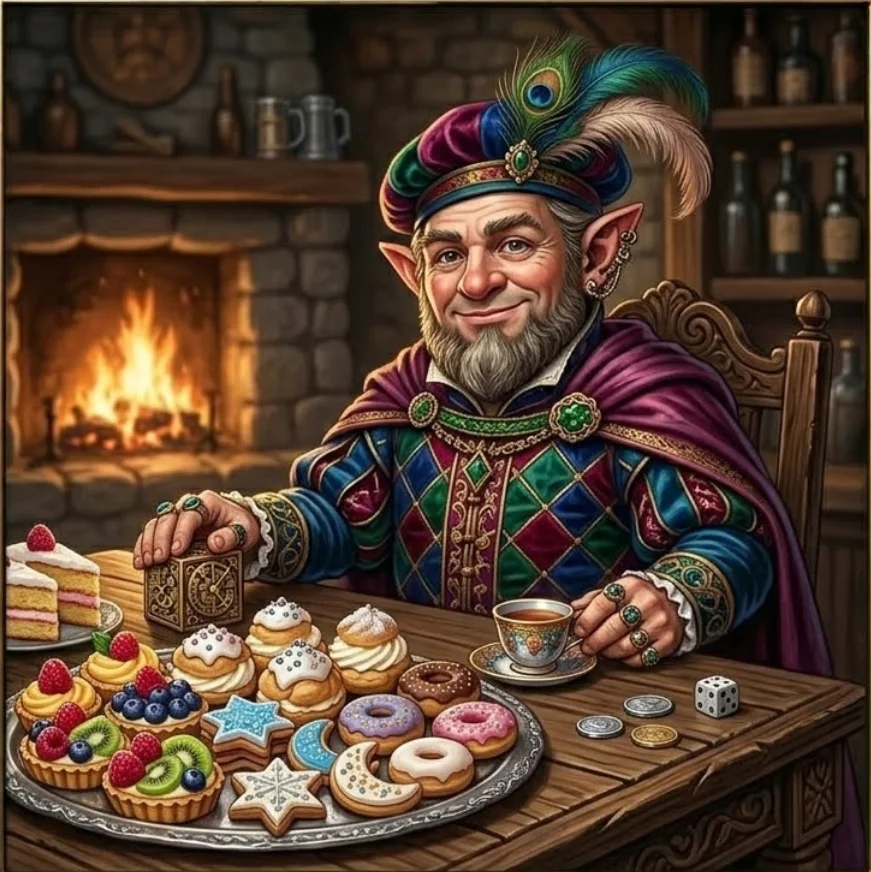

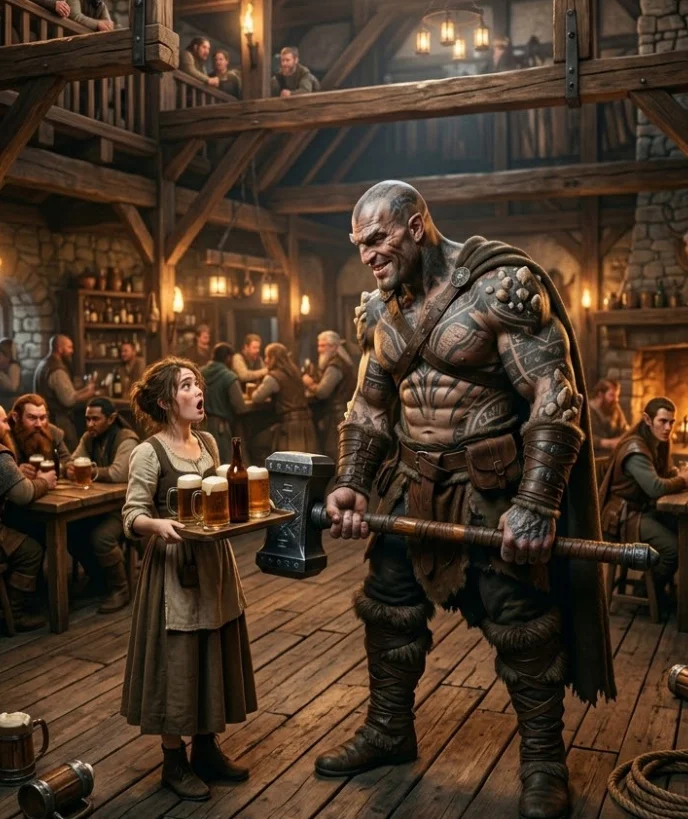
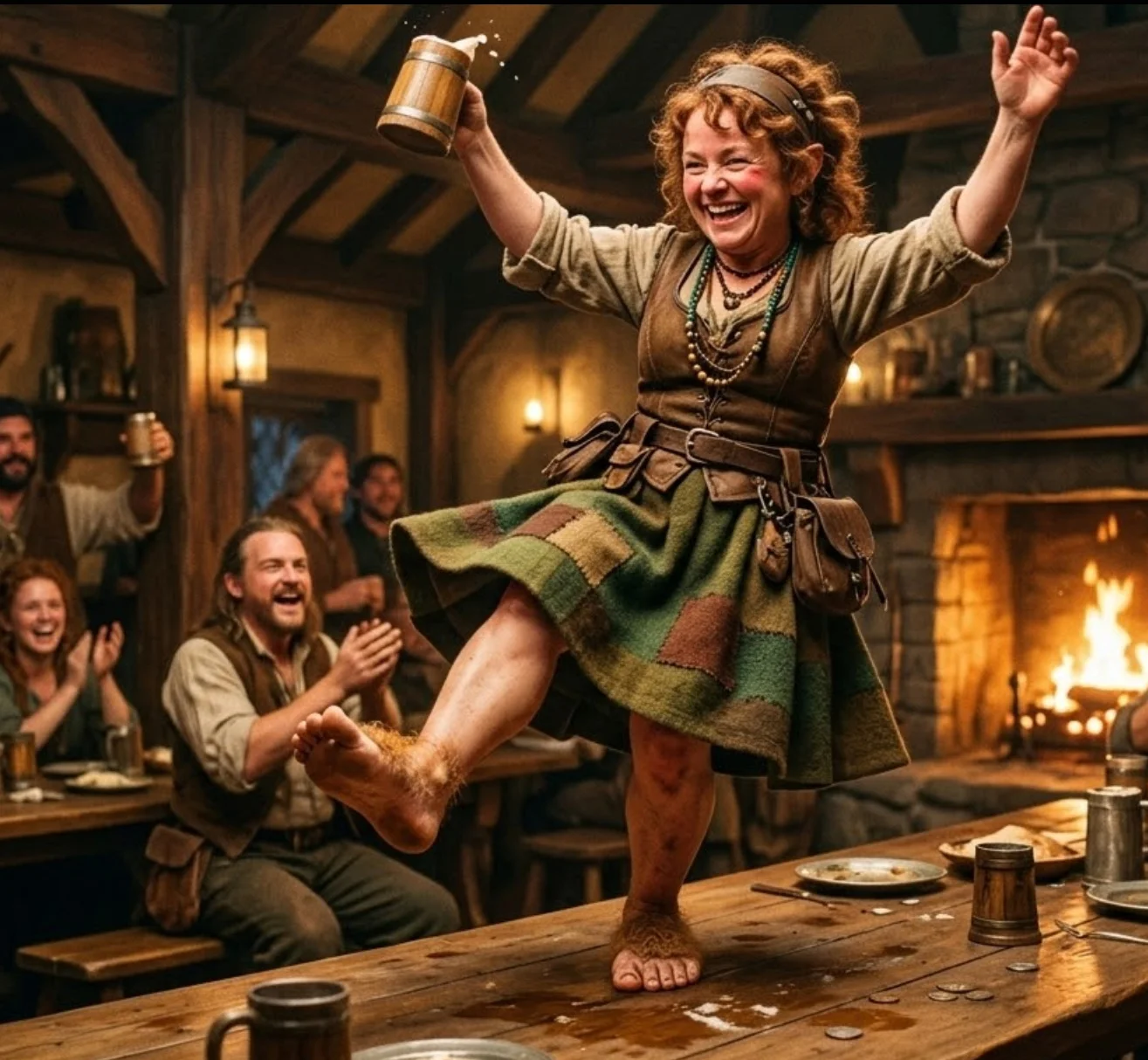
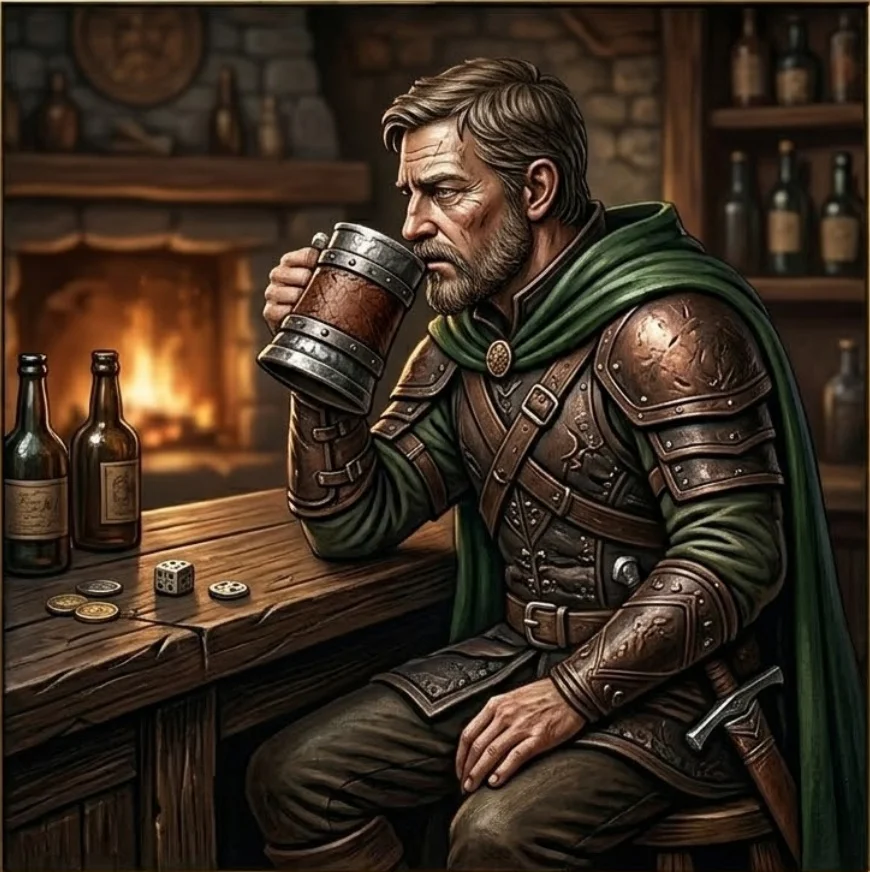

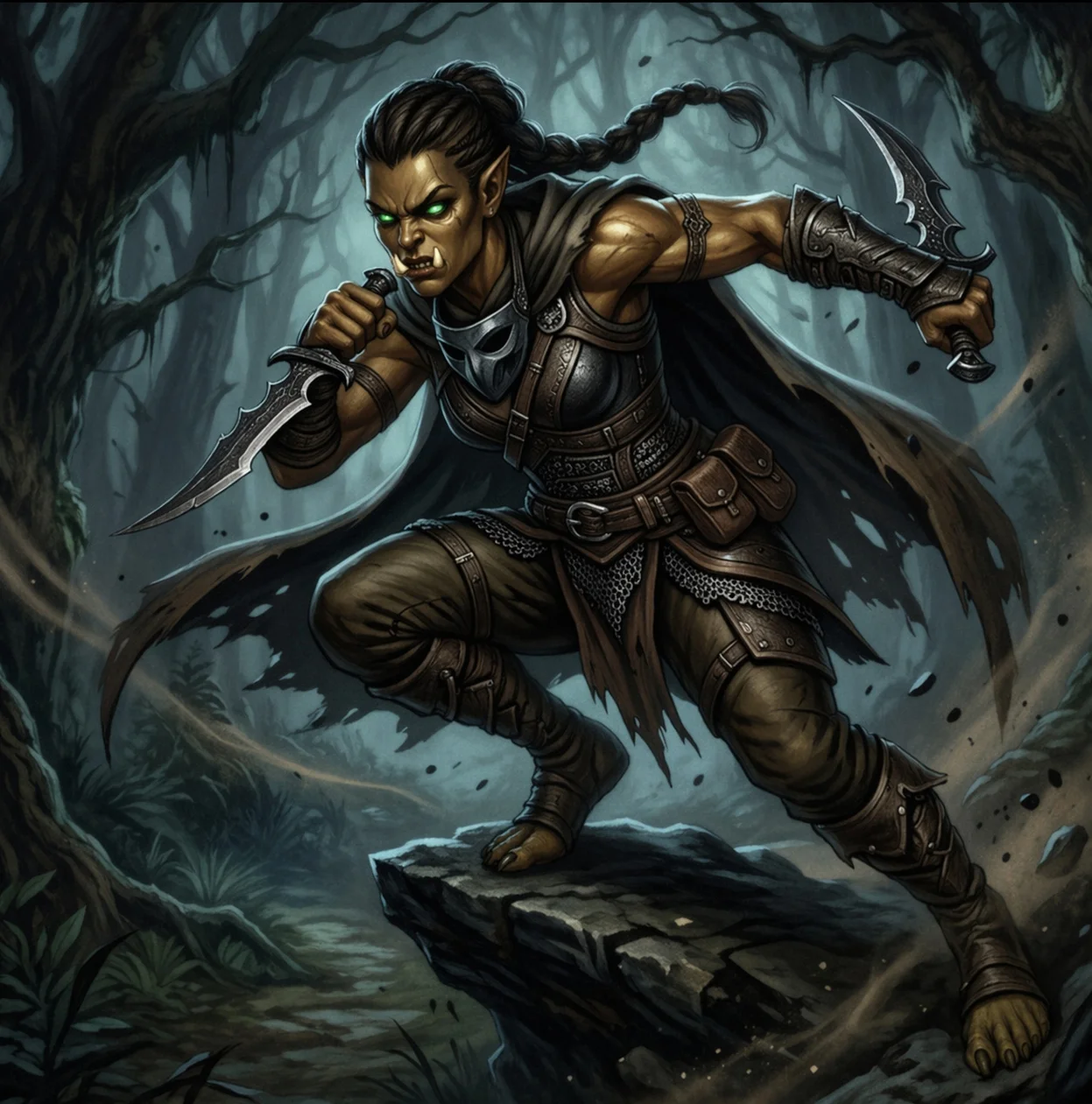

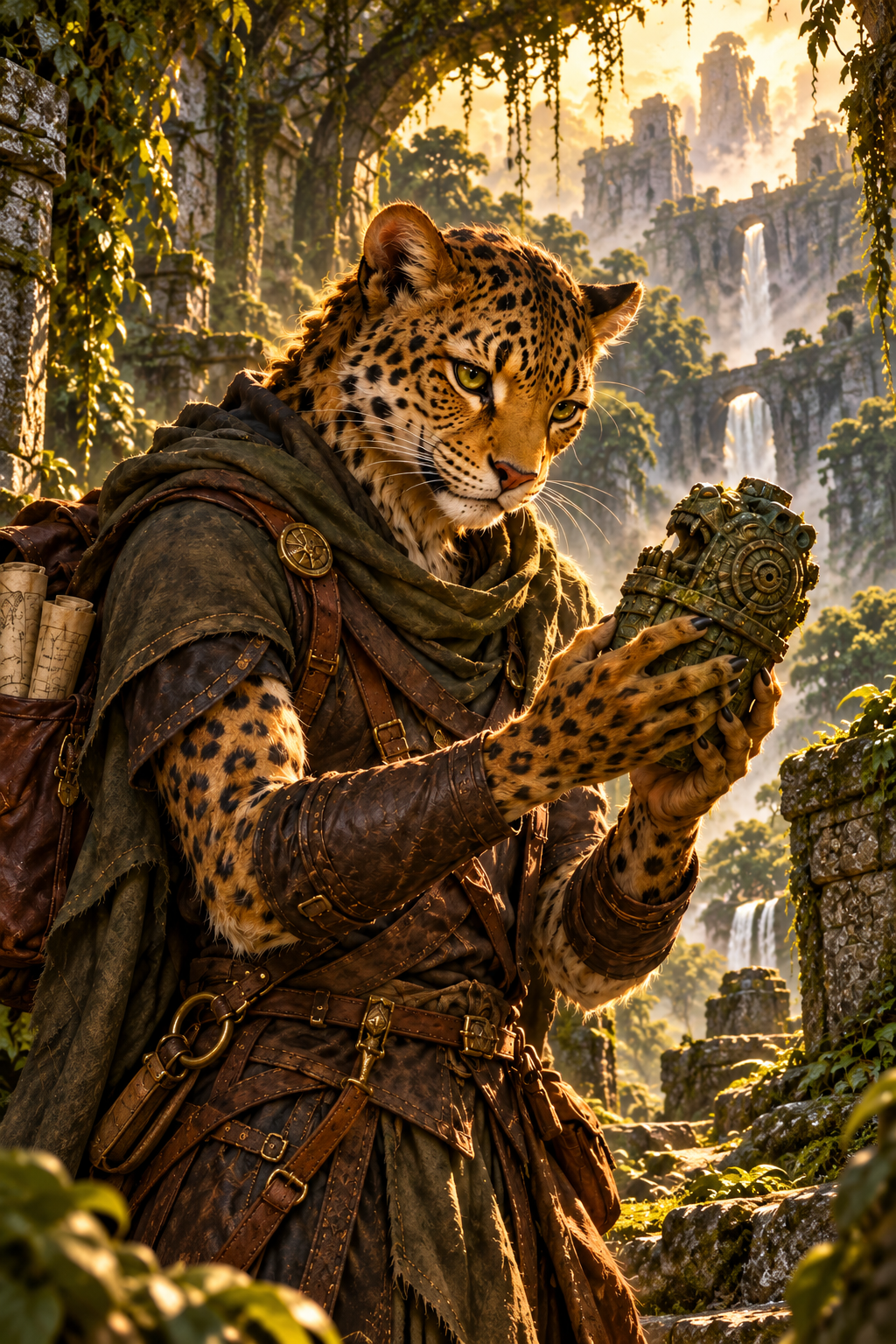



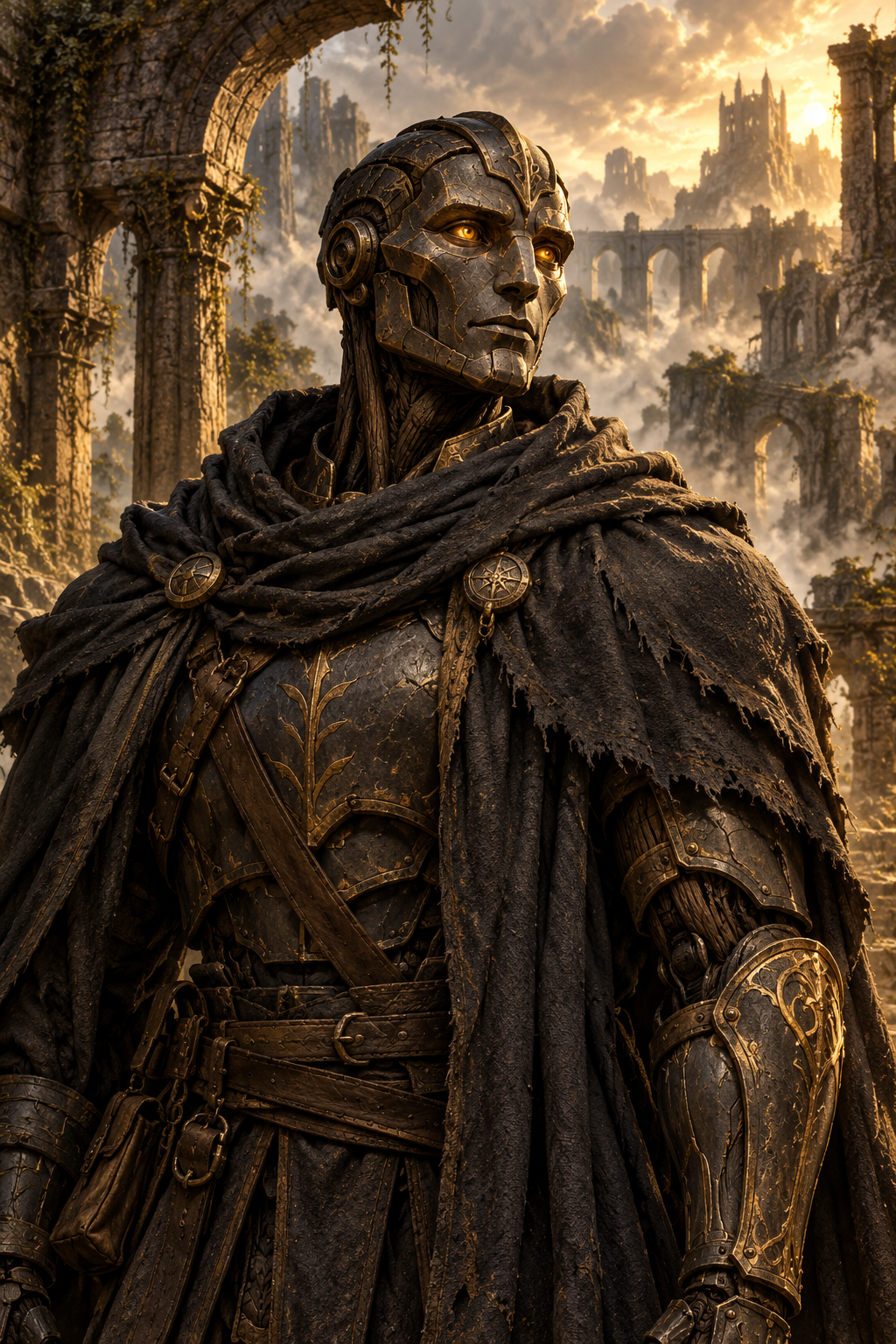


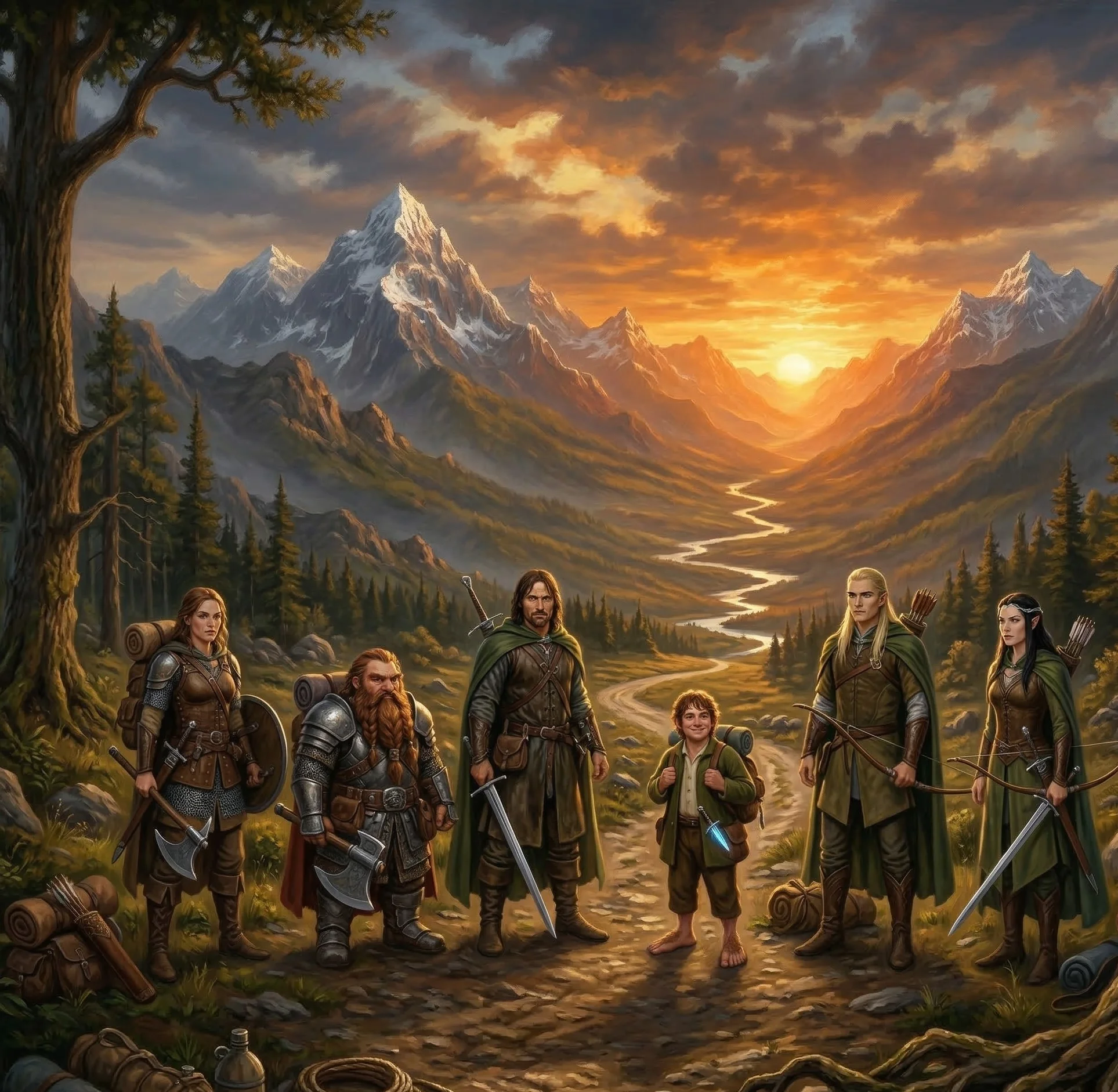
Many are the kindreds of Tera'fir, and in their mingling is the tapestry of the world made strong.
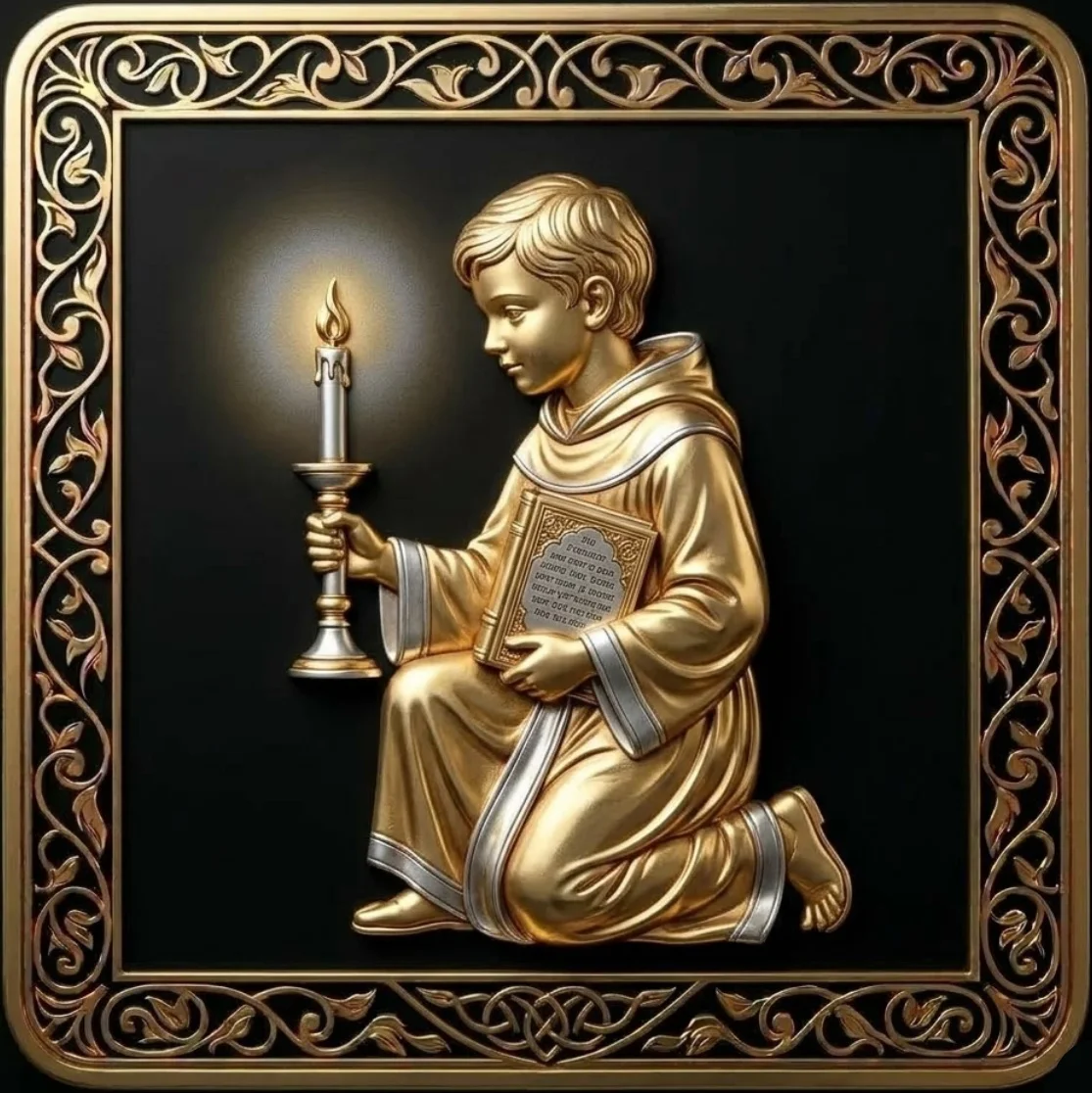 Acolyte
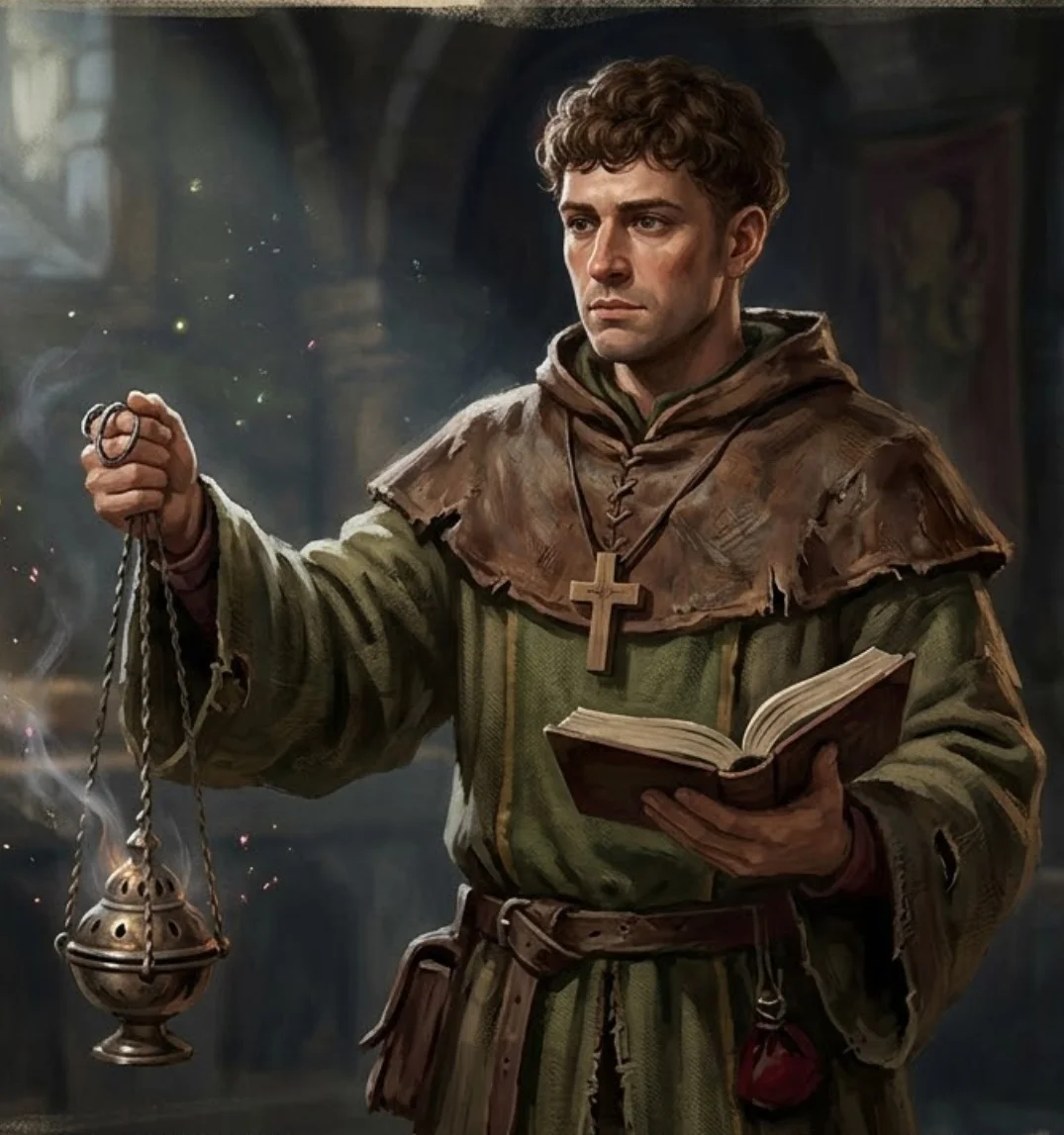
You have spent your life in the service of a temple or a specific deity.
You devoted yourself to service in a temple, either nestled in a town or secluded in a sacred grove. There you performed rites in honor of a god or pantheon. You served under a priest and studied religion. Thanks to your priest’s instruction and your own devotion, you also learned how to channel a modicum of divine power in service to your place of worship and the people who prayed there.
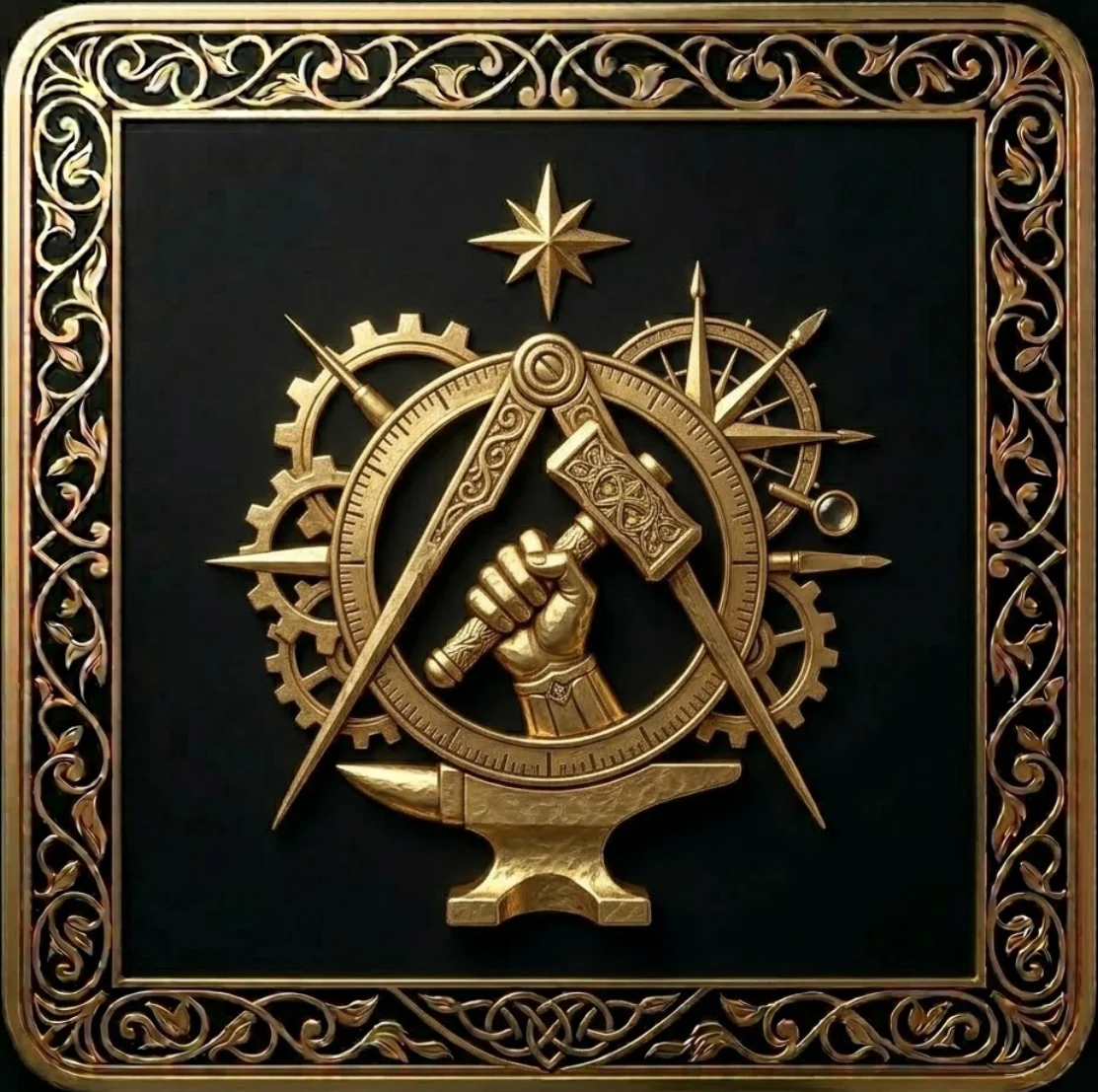 Artisan
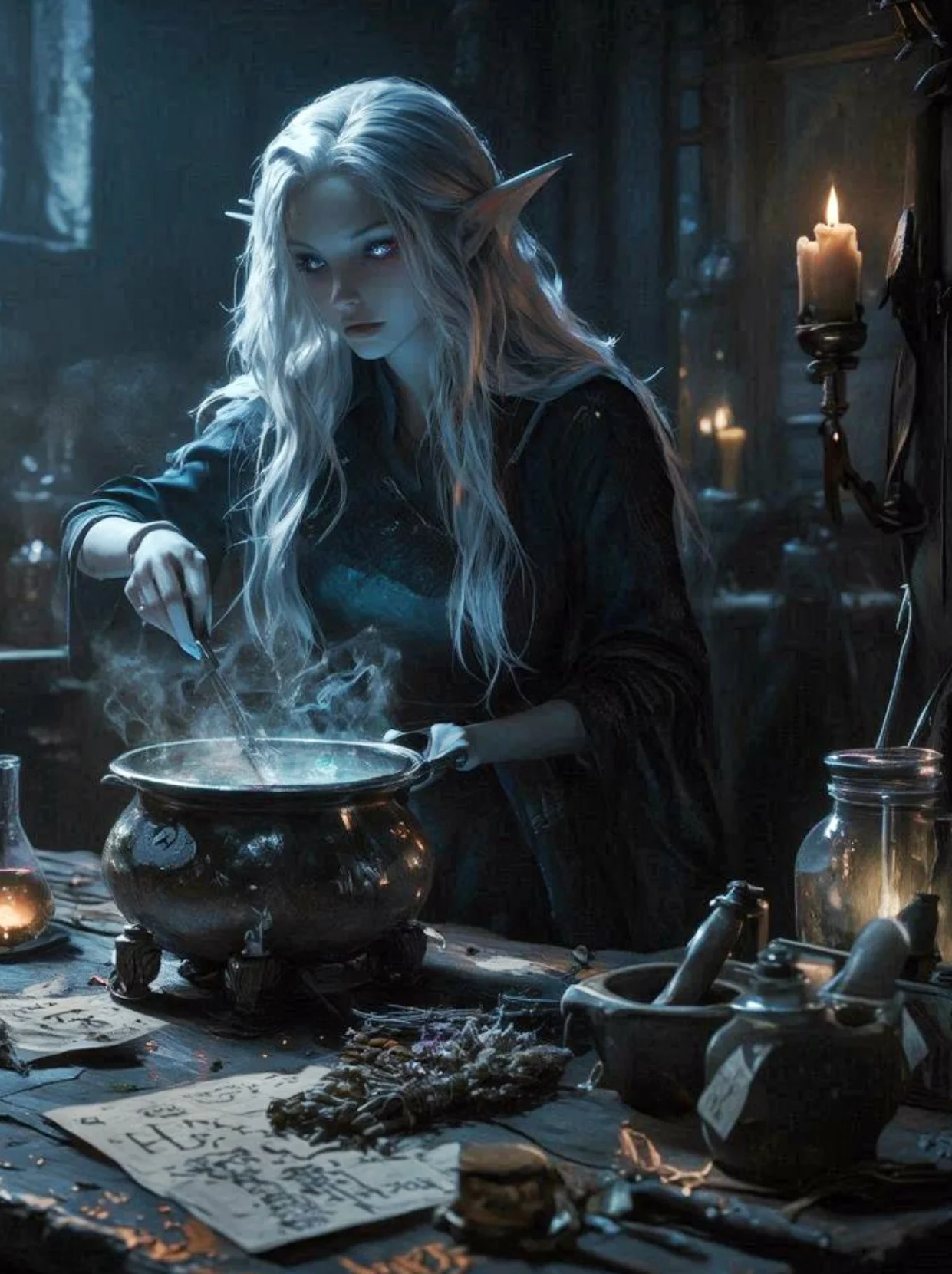
You are a member of an artisan's guild, skilled in a particular field and closely associated with other artisans.
You began mopping floors and scrubbing counters in an artisan’s workshop for a few coppers per day as soon as you were strong enough to carry a bucket. When you were old enough to apprentice, you learned to create basic crafts of your own, as well as how to sweet-talk the occasional demanding customer. Your trade has also given you a keen eye for detail.
 Charlatan
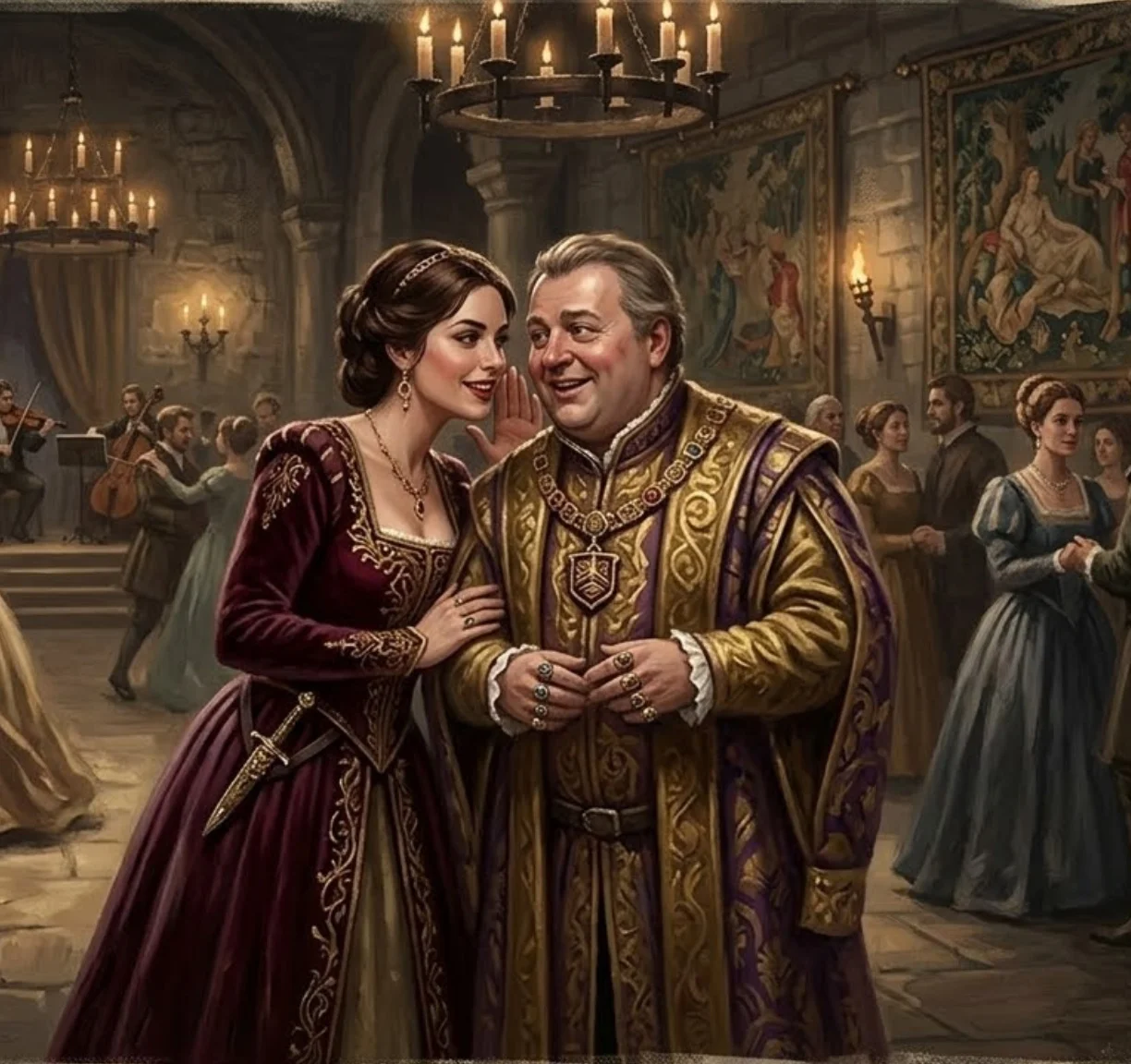
You have a way with people. You know what makes them tick, you can tease out their hearts' desires.
Once you were old enough to order an ale, you soon had a favorite stool in every tavern within ten miles of where you were born. As you traveled the circuit from public house to watering hole, you learned to prey on unfortunates who were in the market for a comforting lie or two—perhaps a sham potion or forged ancestry records.
 Criminal
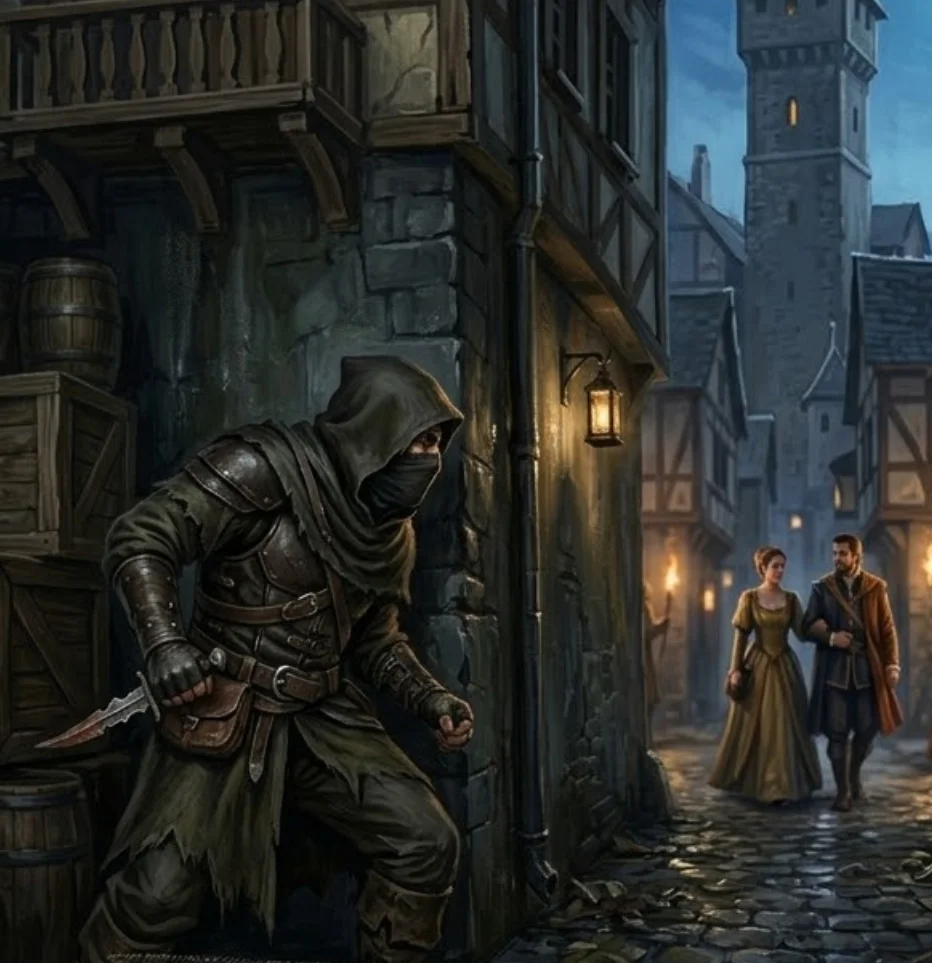
You are an experienced criminal with a history of breaking the law and surviving.
You eked out a living in dark alleyways, cutting purses or burgling shops. Perhaps you were part of a small gang of like-minded wrongdoers who looked out for each other. Or maybe you were a lone wolf, fending for yourself against the local thieves’ guild and more fearsome lawbreakers.
 Entertainer
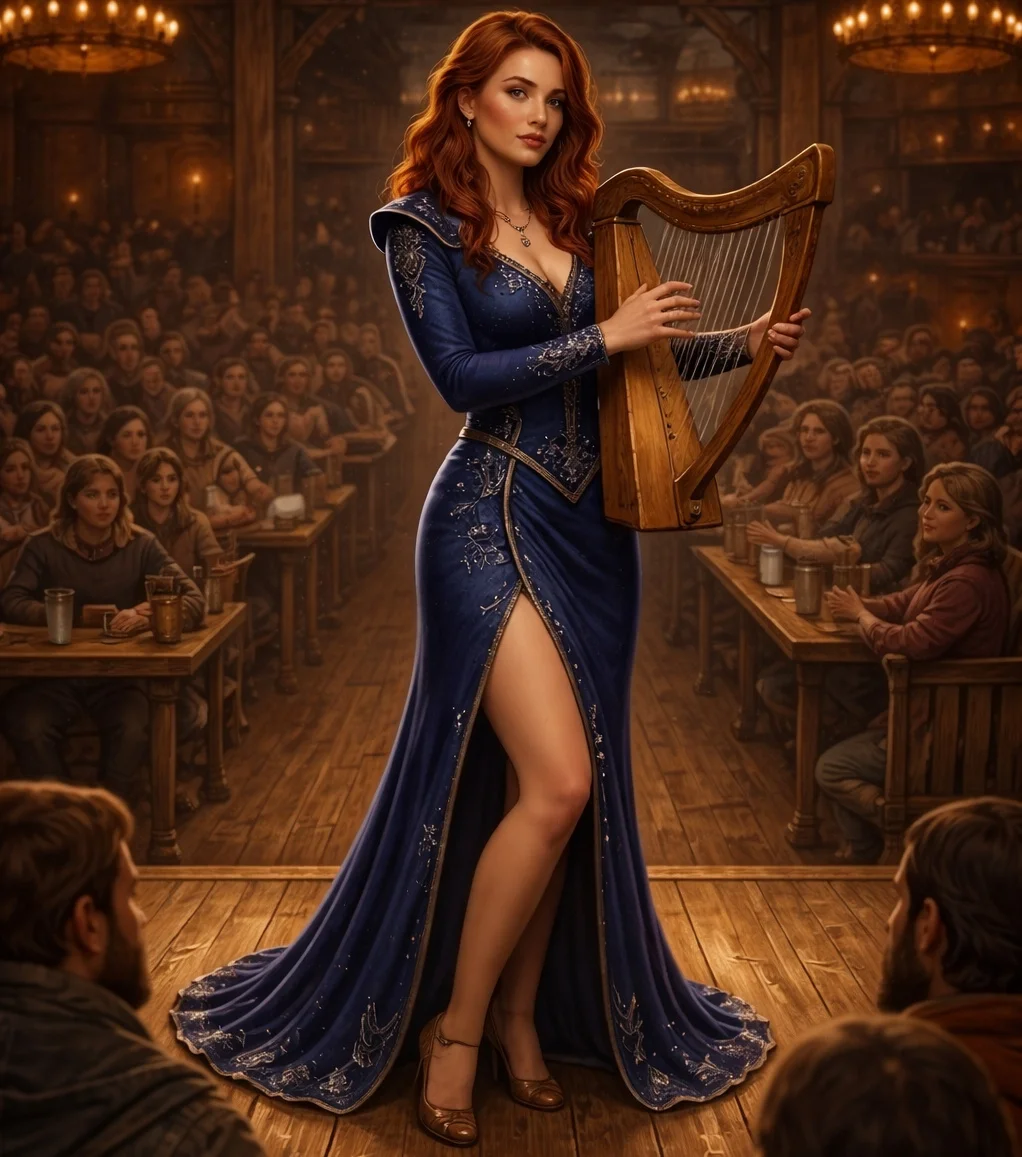
You thrive in front of an audience. You know how to entrance them, entertain them, and even inspire them.
You spent much of your youth following roving fairs and carnivals, performing odd jobs for musicians and acrobats in exchange for lessons. You may have learned how to walk a tightrope, how to play a lute in a distinct style, or how to recite poetry with impeccable diction. To this day, you thrive on applause and long for the stage.
 Farmer
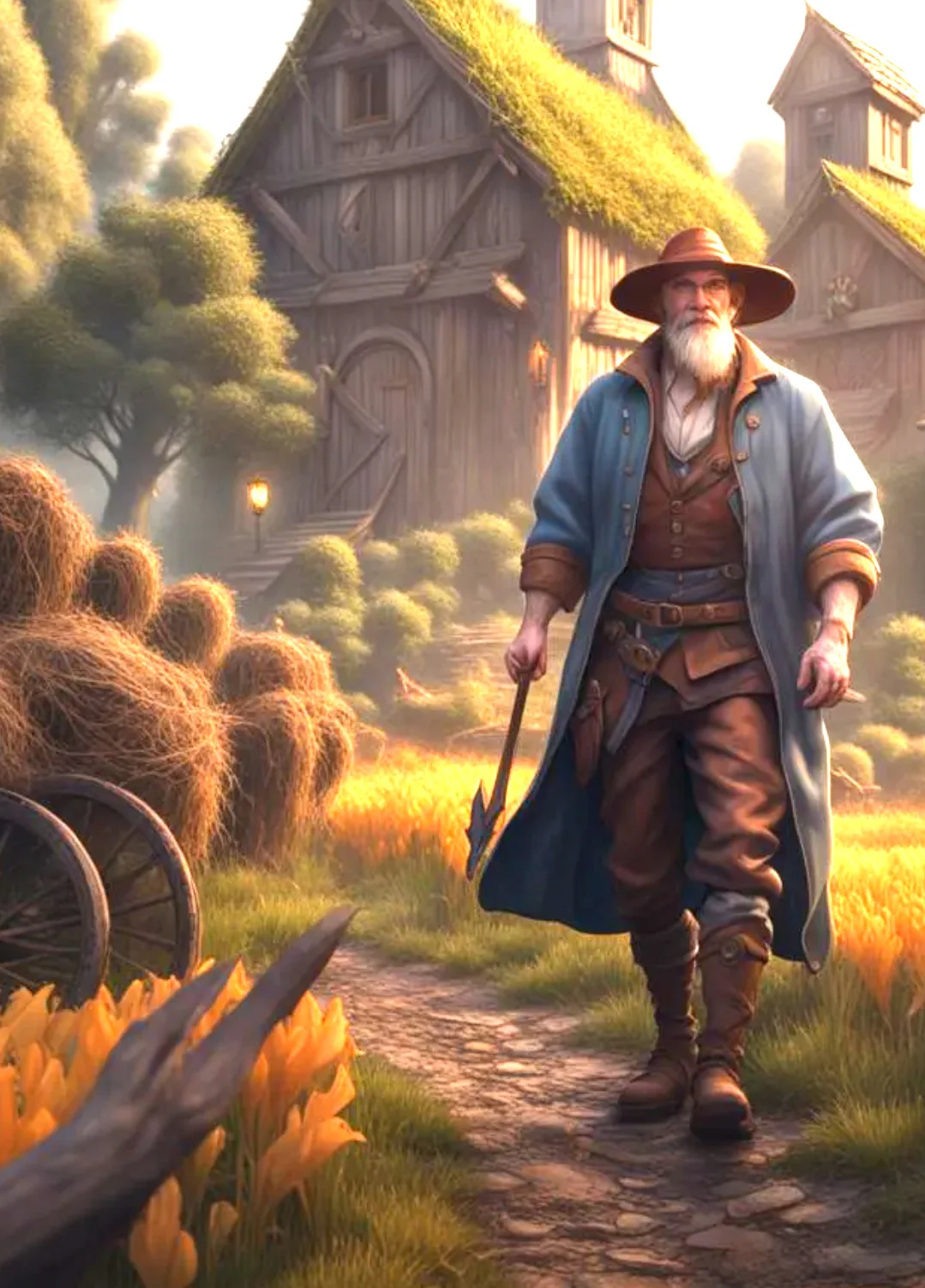
You grew up working the land, developing a deep bond with nature and a physical hardiness from years of honest labor.
Years tending animals and cultivating the earth rewarded you with patience and good health. You have a keen appreciation for nature’s bounty alongside a healthy respect for nature’s wrath.
 Folk Hero
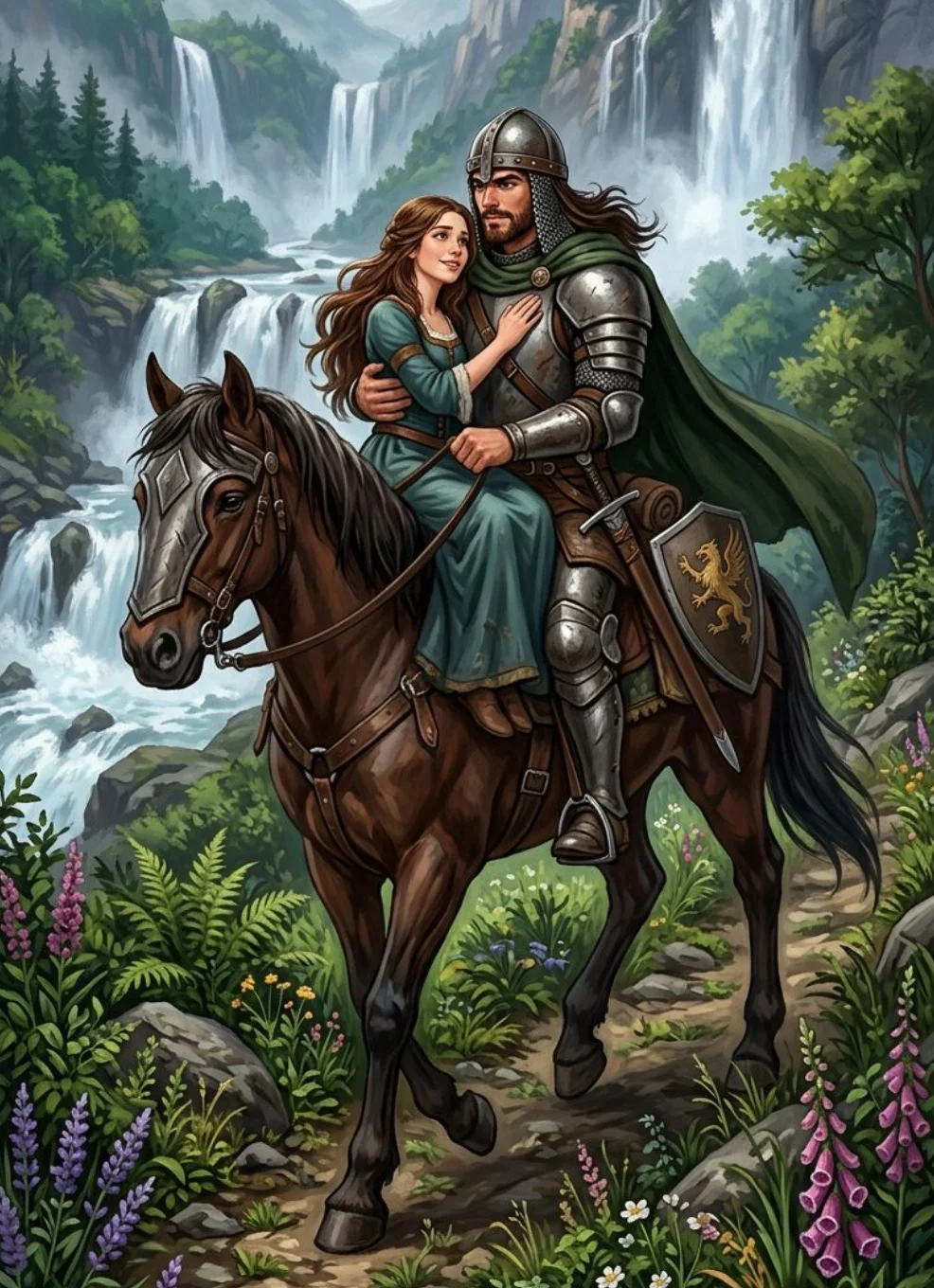
You come from a humble social rank, but you are destined for so much more. Already the people of your home village regard you as their champion, and your destiny calls you to stand against the tyrants and monsters that threaten the common folk everywhere.
A folk hero is one of the common people, for better or for worse. Most folk heroes look on their humble origins as a virtue, not a shortcoming, and their home communities remain very important to them. You previously pursued a simple profession among the peasantry, but a defining event set you on a different path and marked you for greater things.
 Guard
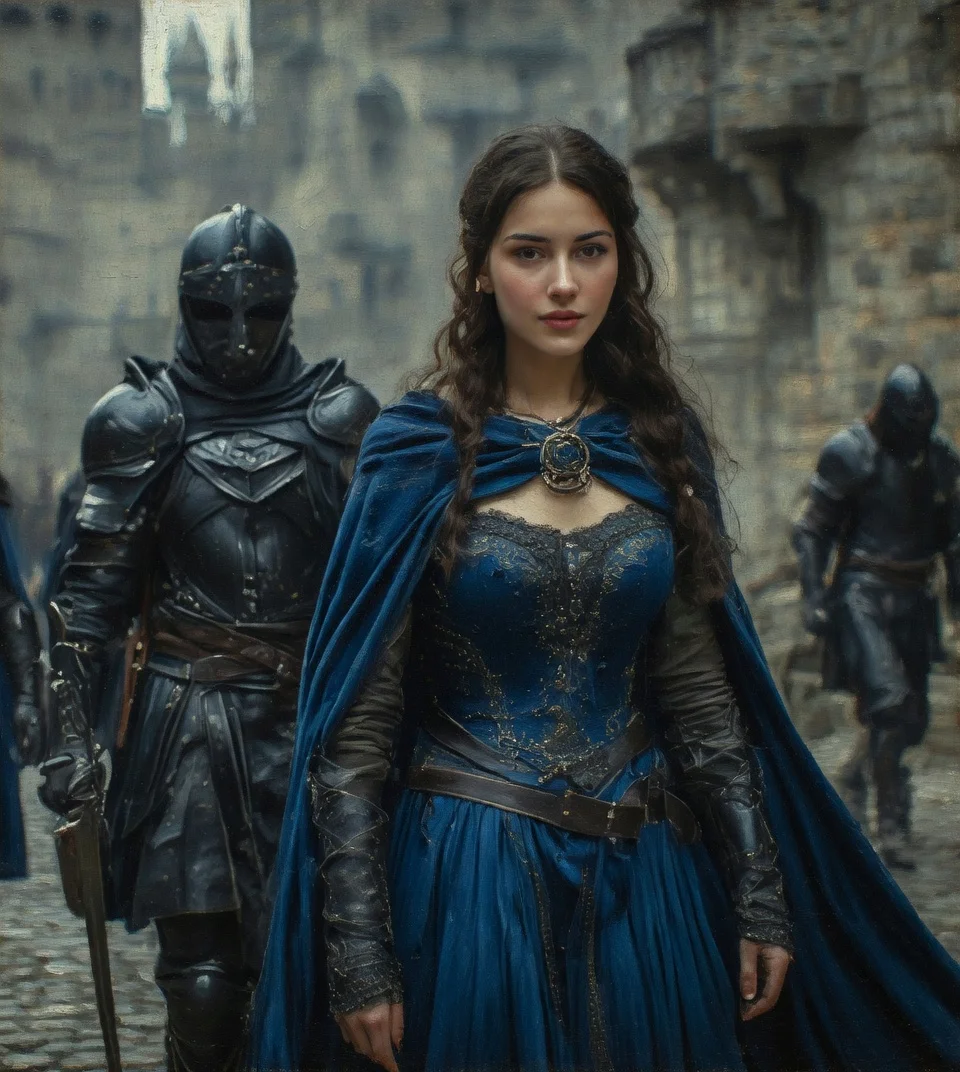
You served as a sentry, a member of the city watch, or a caravan guard, keeping the peace and the light.
Your feet ache when you remember the countless hours you spent at your post in the tower. You were trained to keep one eye looking outside the wall, watching for marauders sweeping from the nearby forest, and your other eye looking inside the wall, searching for cutpurses and troublemakers.
 Guide

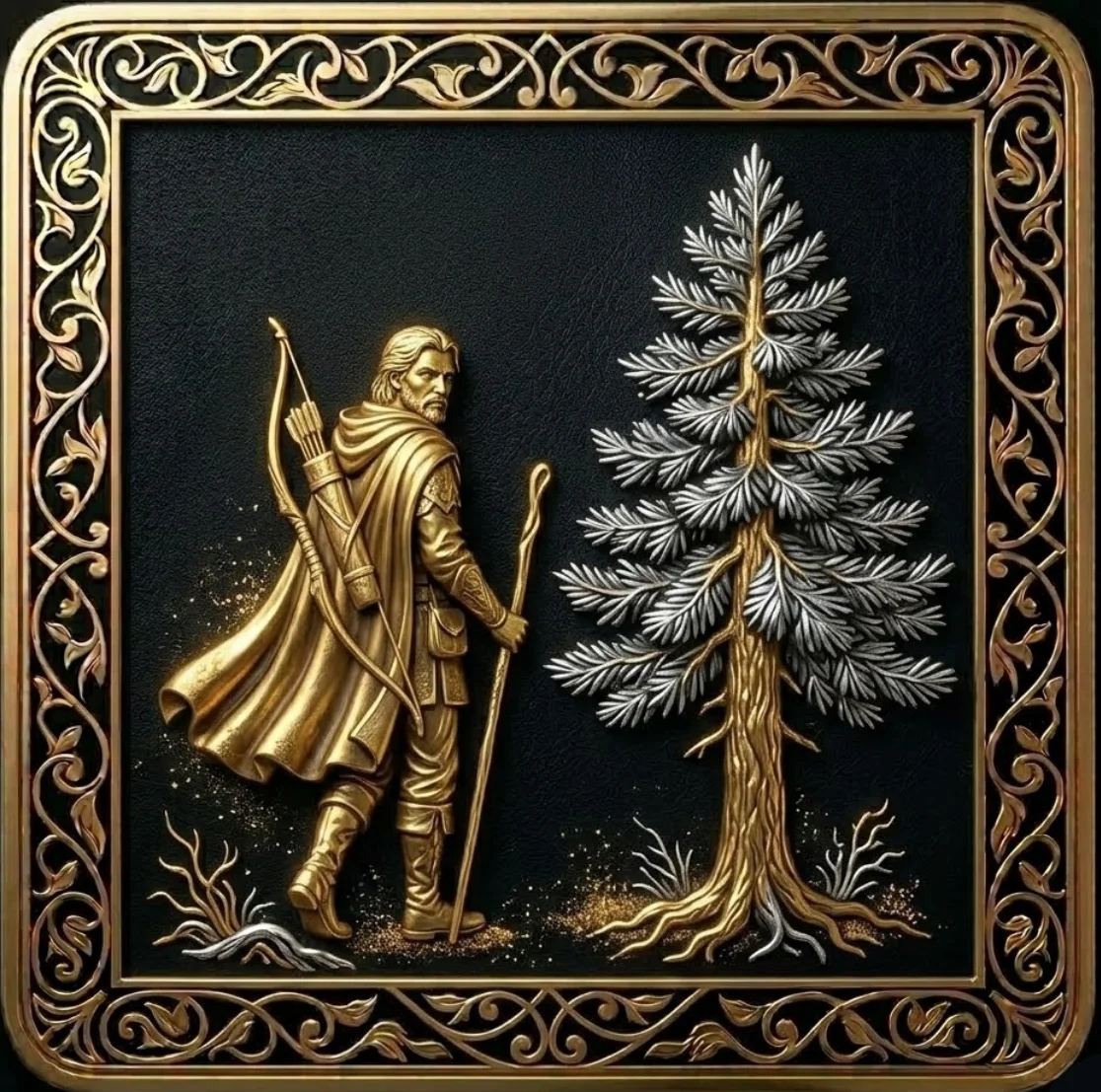
You know the secret trails and the safest passages through the untamed corners of the world.
You came of age outdoors, far from settled lands. Your home was anywhere you chose to spread your bedroll. There are wonders in the wilderness—strange monsters, pristine forests and streams, overgrown ruins of great halls once trod by giants—and you learned to fend for yourself as you explored them. From time to time, you guided friendly nature priests who instructed you in the fundamentals of channeling the magic of the wild.
 Hermit
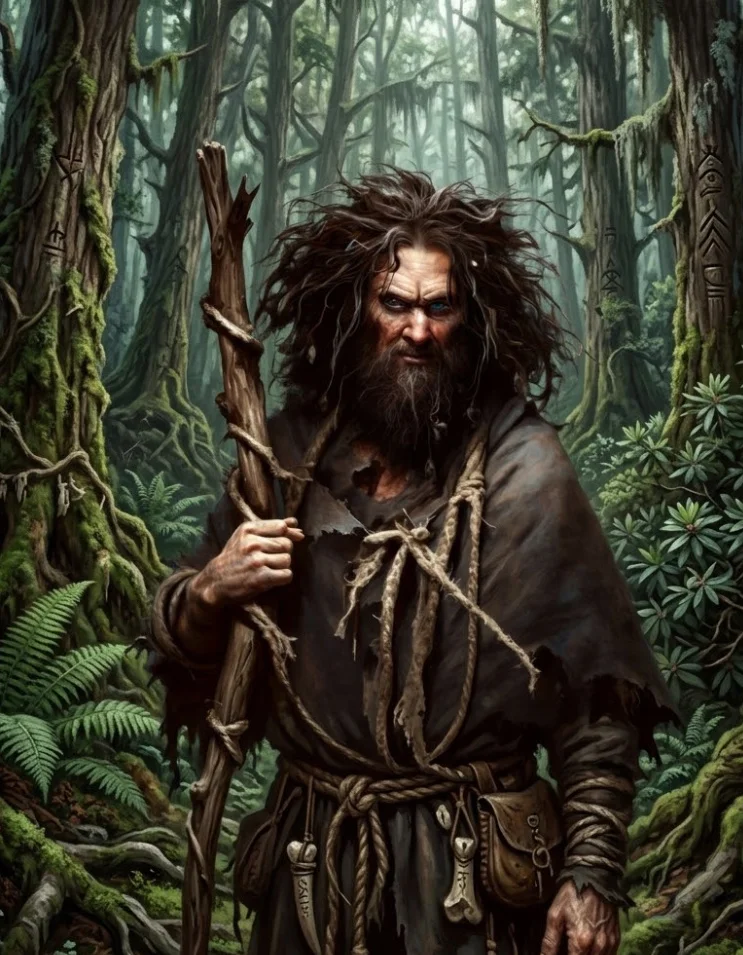
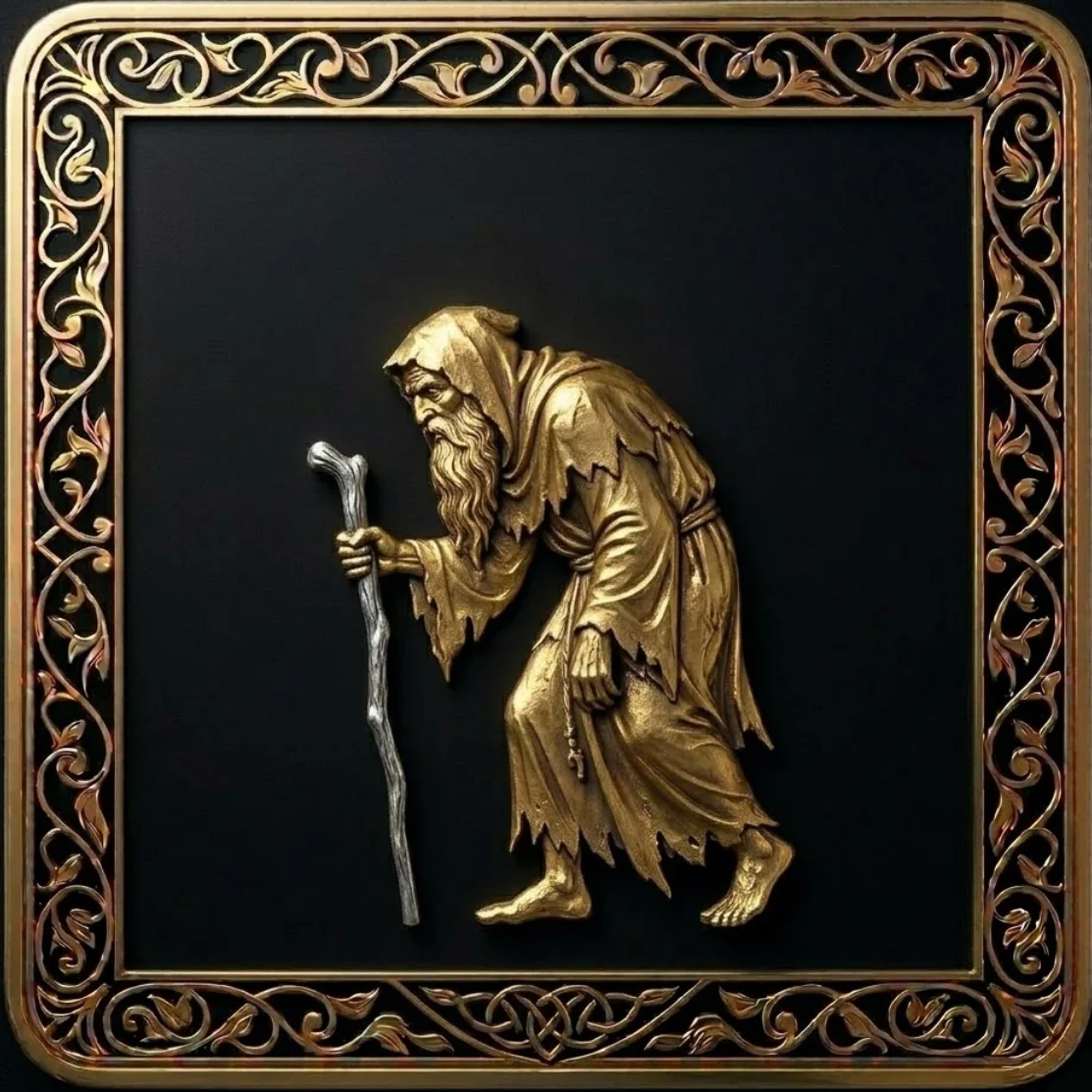
You lived in seclusion—either in a sheltered community such as a monastery, or entirely alone—for a formative part of your life.
You spent your early years secluded in a hut or monastery located well beyond the outskirts of the nearest settlement. In those days, your only companions were the creatures of the forest and those who would occasionally visit to bring news of the outside world and supplies. The solitude allowed you to spend many hours pondering the mysteries of creation.
 Merchant
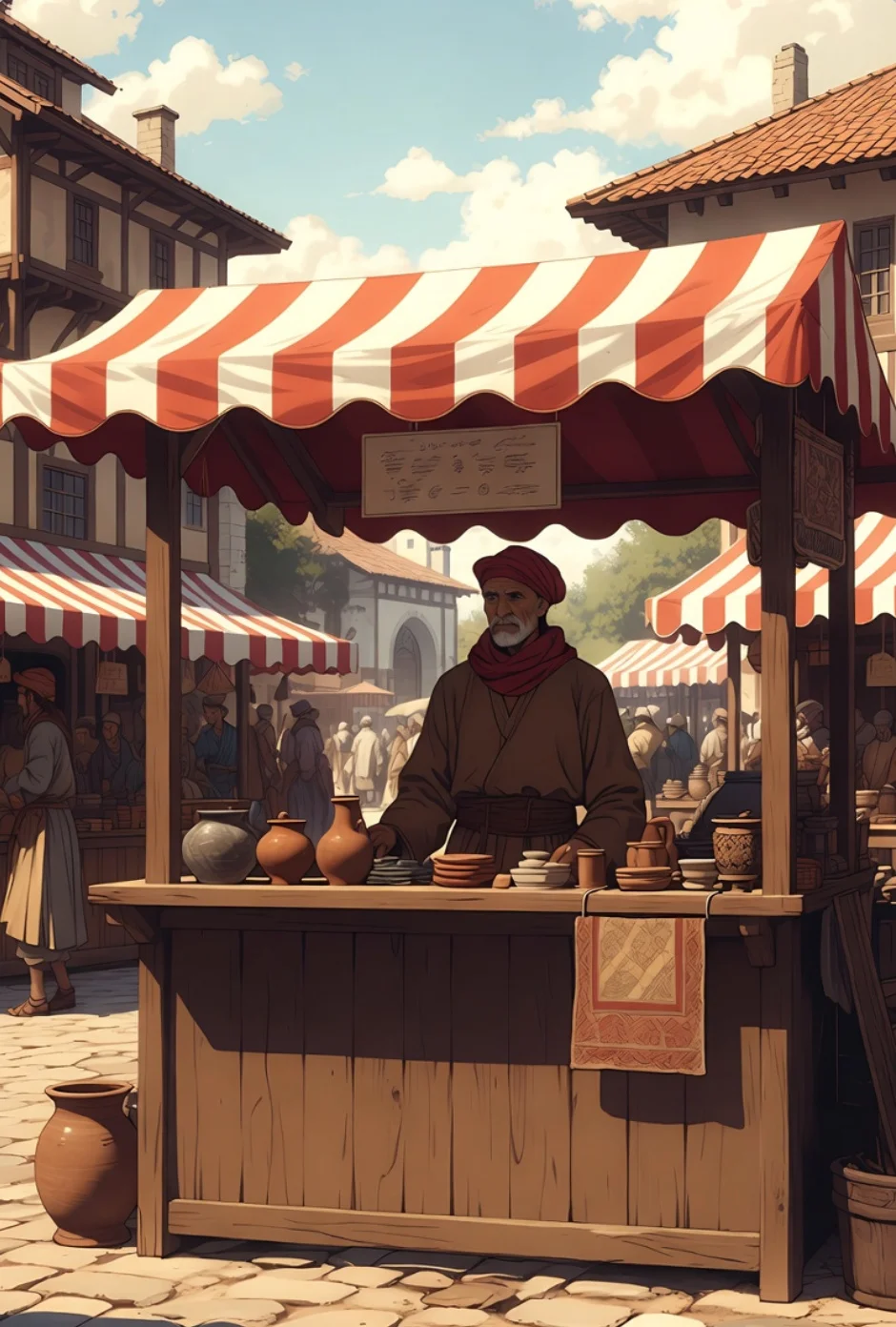
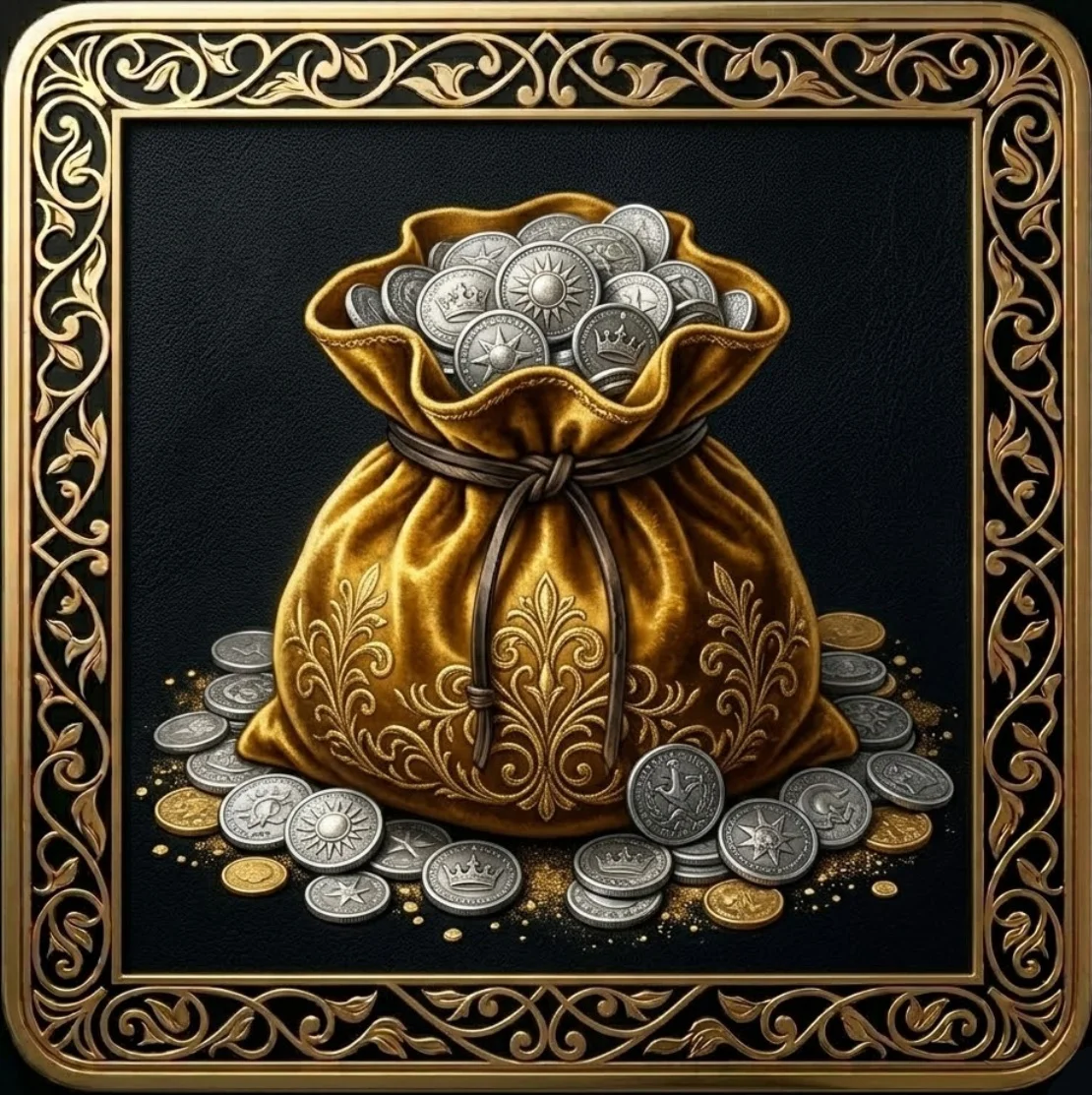
You spent your days appraising wares, haggling in markets, and moving trade goods across borders.
You were apprenticed to a trader, caravan master, or shopkeeper, learning the fundamentals of commerce. You traveled broadly, and you earned a living by buying and selling the raw materials artisans need to practice their craft or finished works from such crafters. You might have transported goods from one place to another (by ship, wagon, or caravan) or bought them from traveling traders and sold them in your own shop.
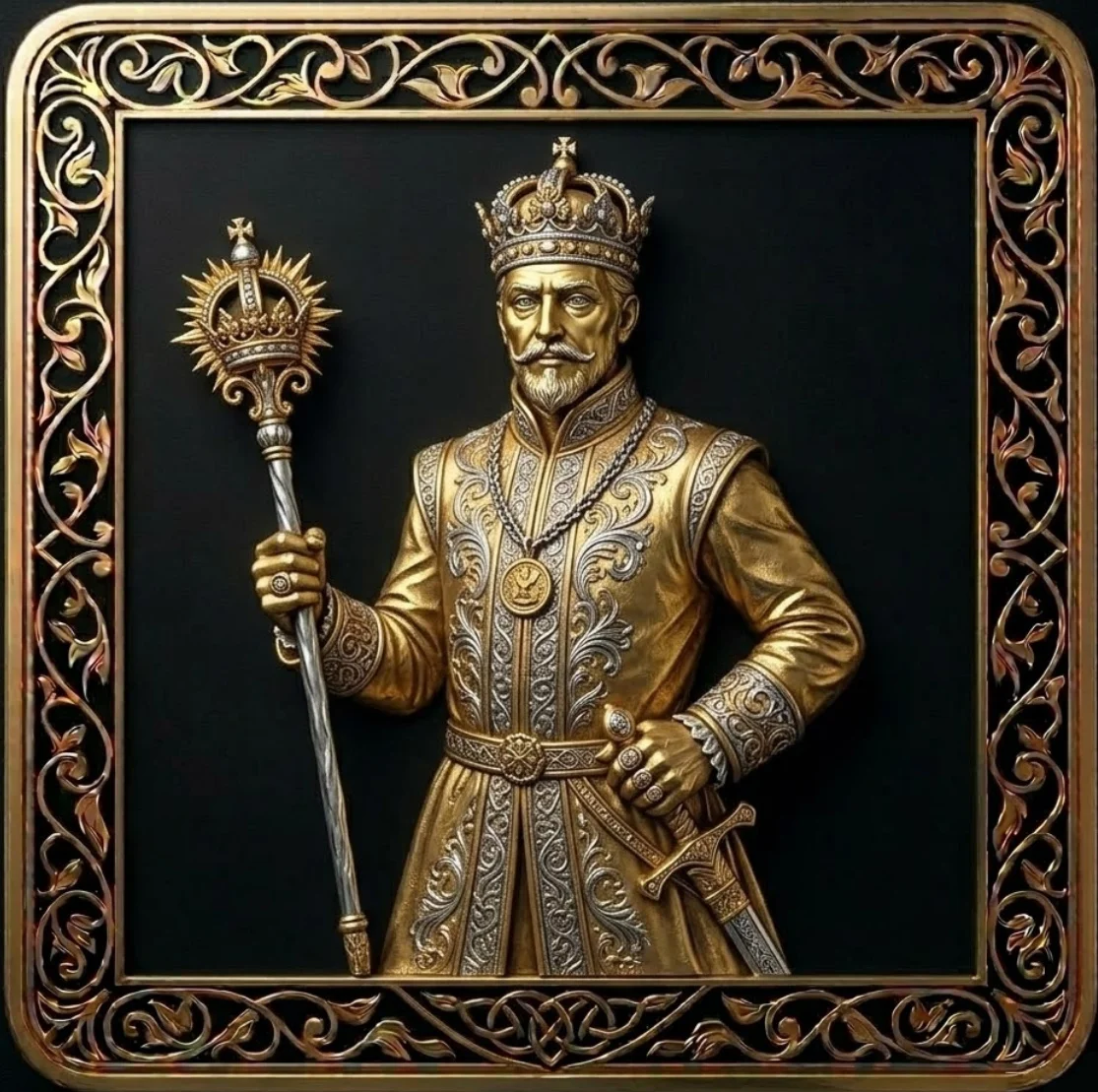 Noble
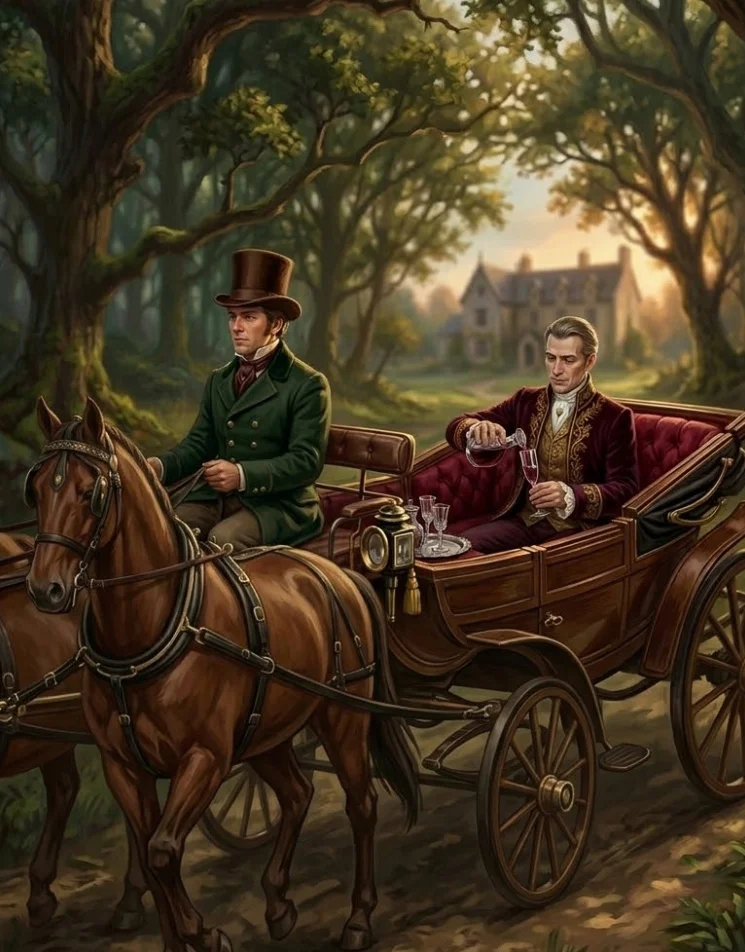
You understand wealth, power, and privilege. You carry a noble title, and your family owns land.
You were raised in a castle, surrounded by wealth, power, and privilege. Your family of minor aristocrats ensured that you received a first-class education, some of which you appreciated and some of which you resented. Your time in the castle, especially the many hours you spent observing your family at court, also taught you a great deal about leadership.
 Sage

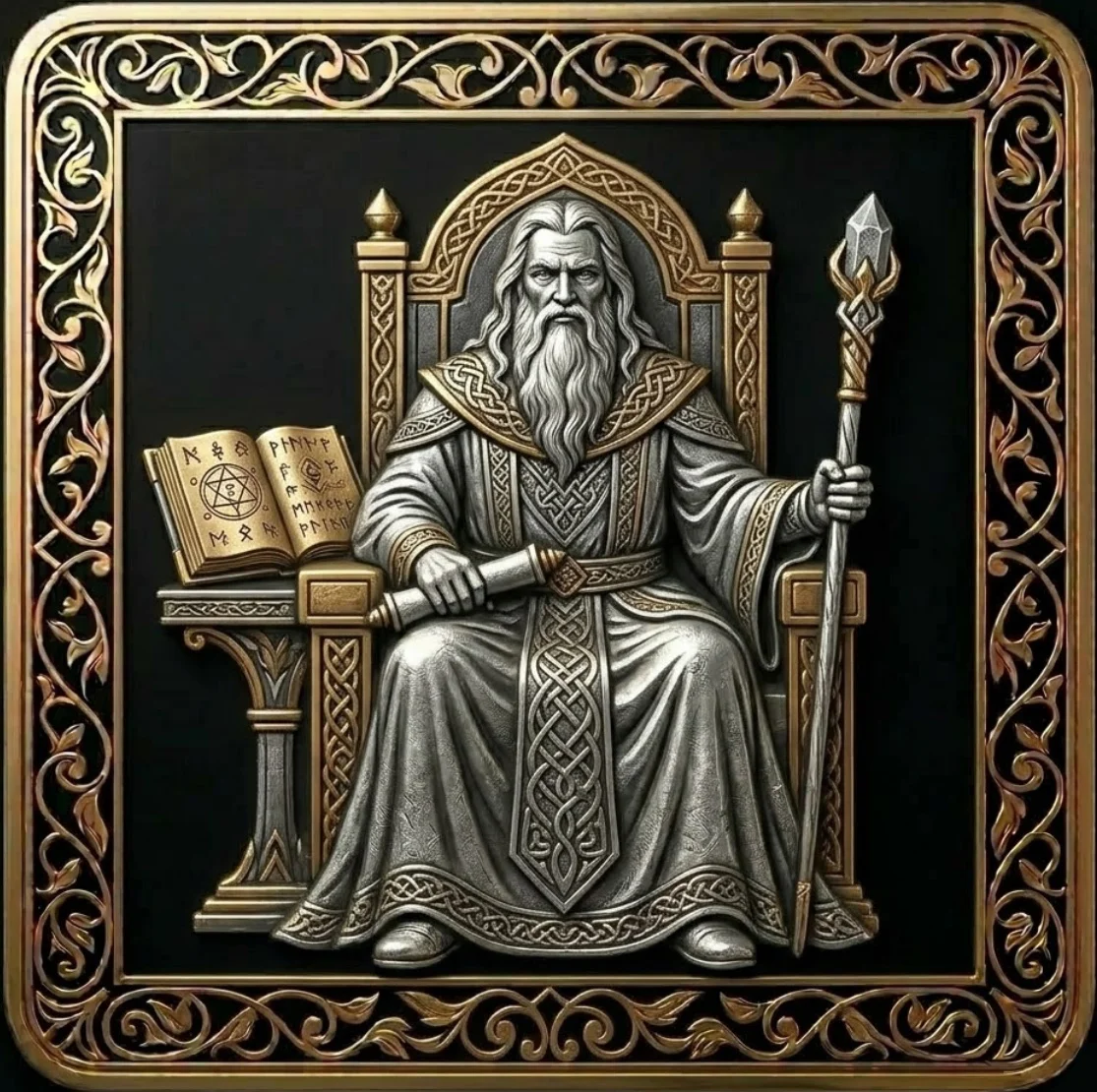
You spent years learning the lore of the multiverse. You scoured manuscripts, studied scrolls, and listened to the greatest experts.
You spent your formative years traveling between manors and monasteries, performing various odd jobs and services in exchange for access to their libraries. You whiled away many a long evening studying books and scrolls, learning the lore of the multiverse—even the rudiments of magic—and your mind yearns for more.
 Sailor

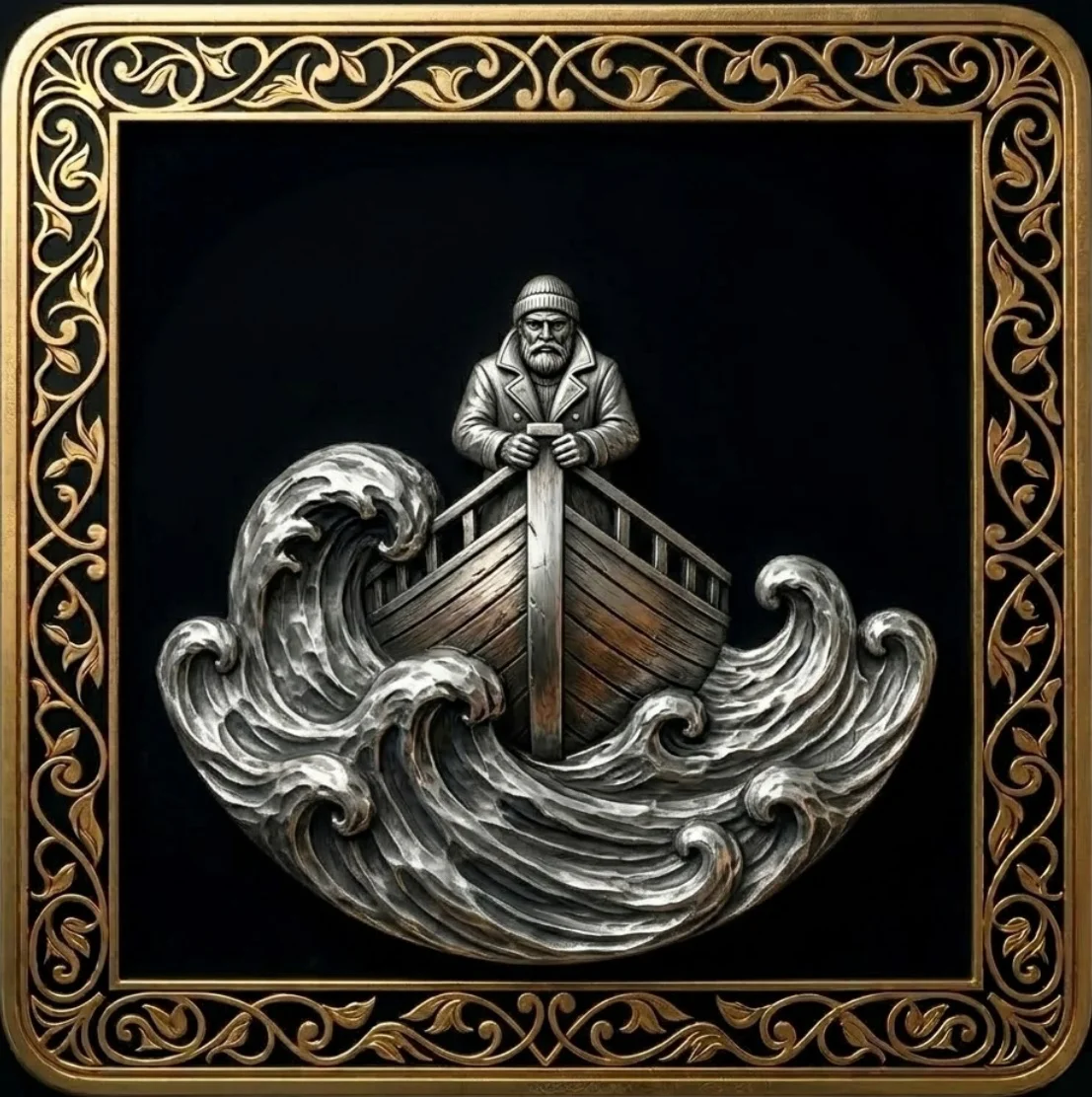
You sailed on a seagoing vessel for years. In that time, you faced down mighty storms, monsters of the deep, and those who wanted to sink your craft.
You lived as a seafarer, wind at your back and decks swaying beneath your feet. You’ve perched on barstools in more ports of call than you can remember, faced mighty storms, and swapped stories with folk who live beneath the waves.
 Scribe
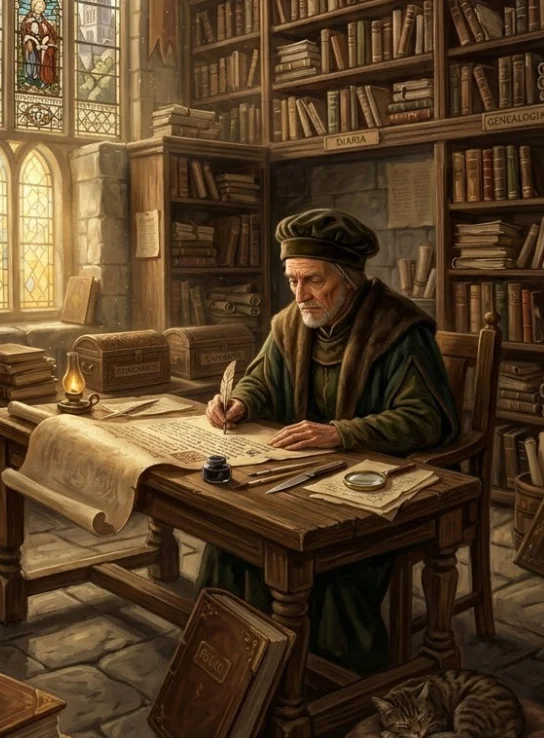
Your life has been dedicated to the written word and preserving records. You have a meticulous eye for detail and a steady hand for the pen.
You spent formative years in a scriptorium, a monastery dedicated to the preservation of knowledge, or a government agency, where you learned to write with a clear hand and produce finely written texts. Perhaps you scribed government documents or copied tomes of literature. You might have some skill as a writer of poetry, narrative, or scholarly research. Above all, you have a careful attention to detail, helping you avoid introducing mistakes to the documents you copy and create.
 Soldier
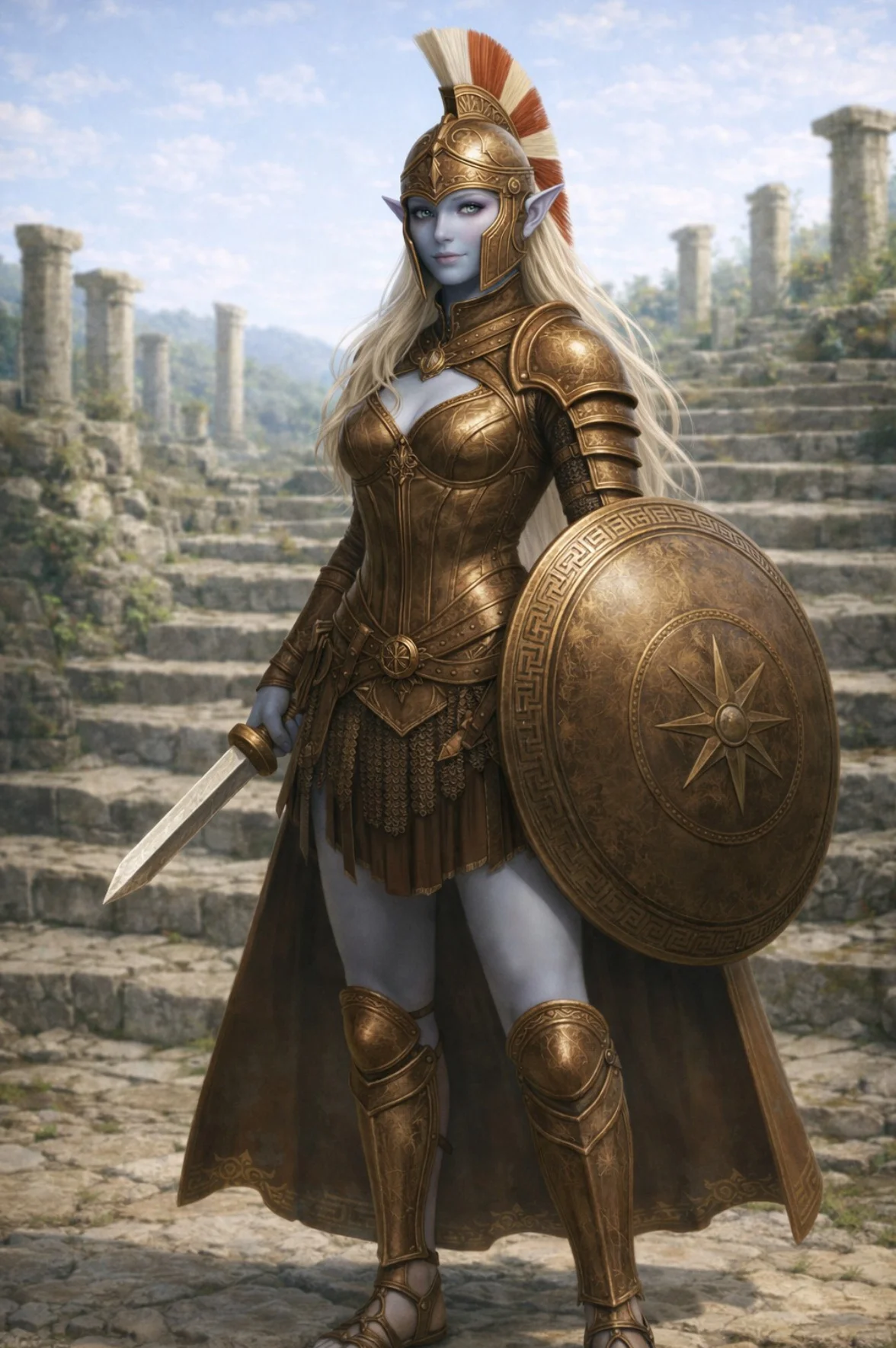
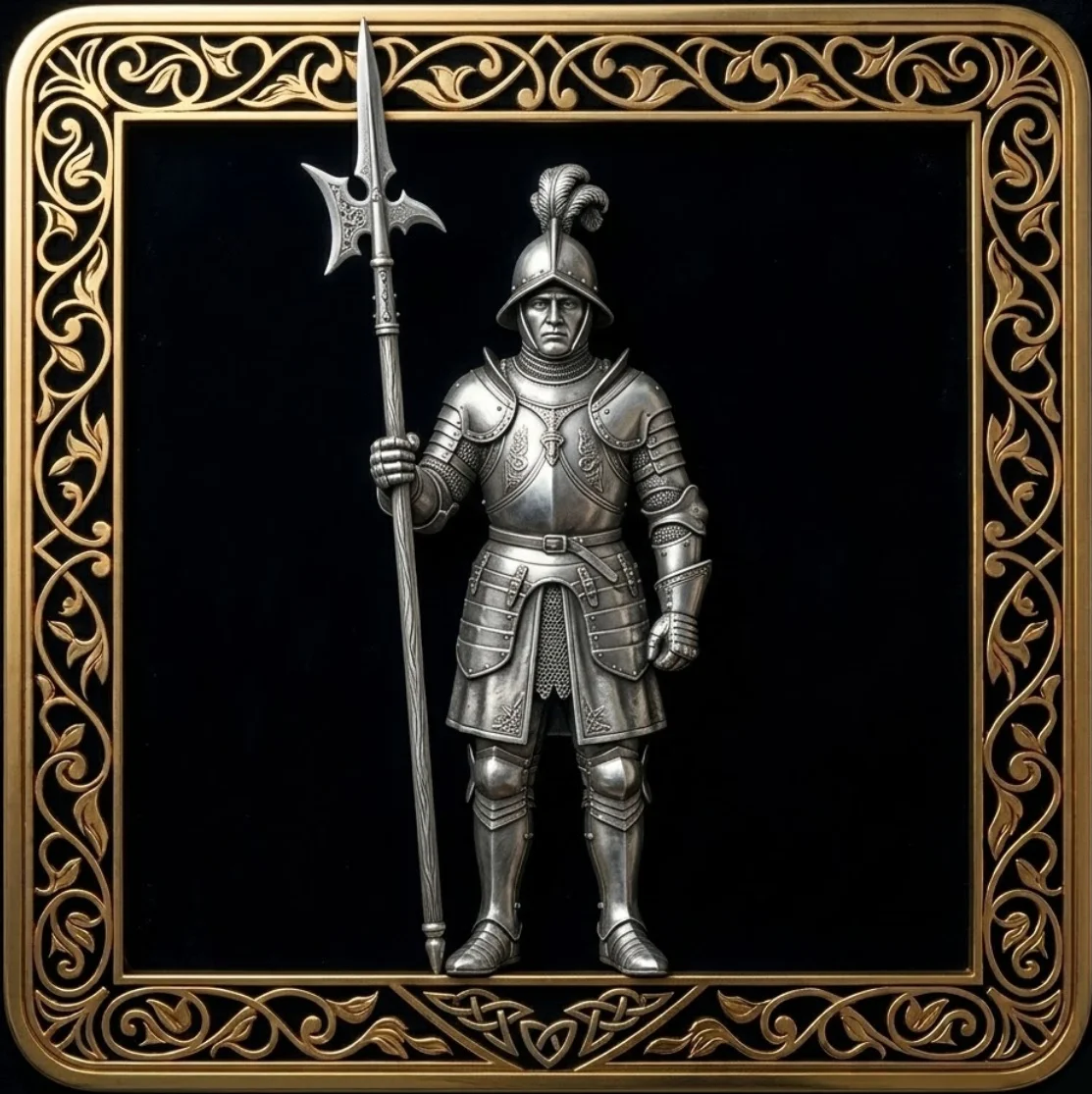
War has been your life for as long as you care to remember. You trained as a youth, studied the use of weapons and armor, and learned basic survival.
You began training for war as soon as you reached adulthood and carry precious few memories of life before you took up arms. Battle is in your blood. Sometimes you catch yourself reflexively performing the basic fighting exercises you learned first. Eventually, you put that training to use on the battlefield, protecting the realm by waging war.
 Drifter

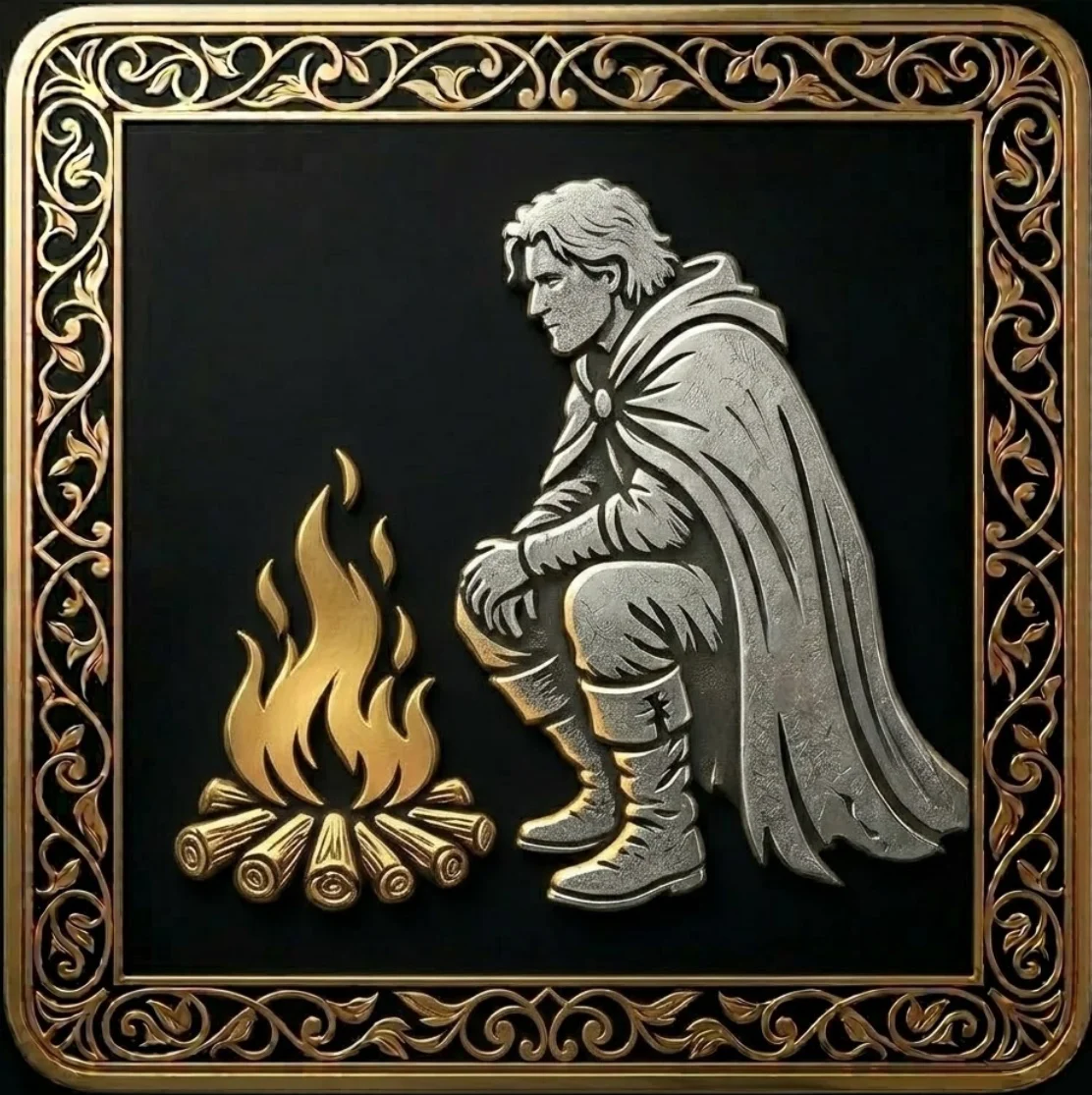
You grew up in the wilds or on the road, far from civilization and the comforts of town and technology.
You grew up in the wilds, far from the comforts of town and technology. You’ve witnessed the migration of herds larger than forests, survived weather more extreme than any city-dweller could comprehend, and enjoyed the solitude of being the only thinking creature for miles in any direction. The wilds are in your blood, whether you were a nomad, an explorer, a recluse, a hunter-gatherer, or even a marauder.
Often considered rude and uncouth, outlanders have little respect for the niceties of life in the cities. The ties of tribe, clan, family, and the natural world of which they are a part are the most important bonds to most outlanders.
 Wayfarer
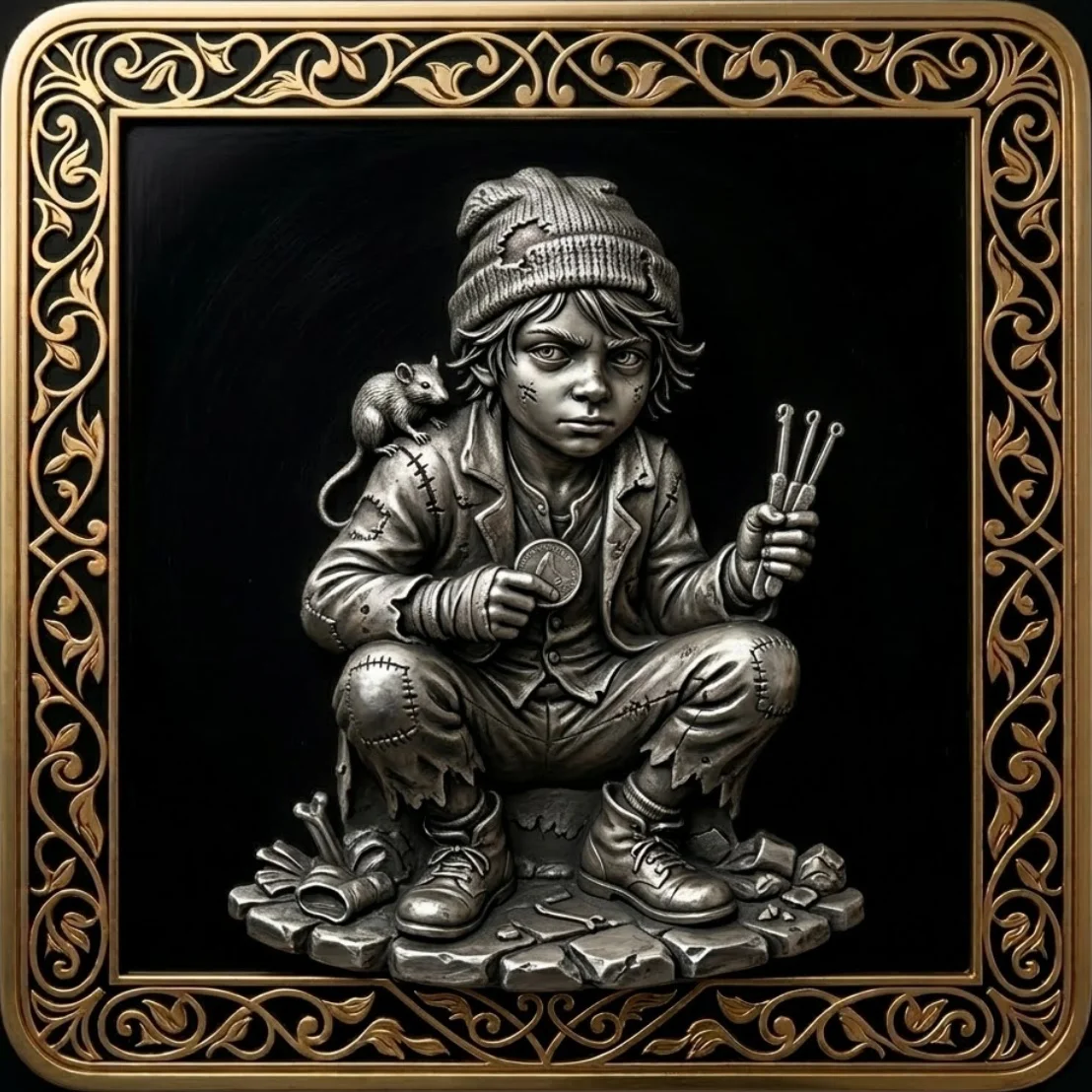
You grew up on the streets alone, orphaned, and poor. You had no one to watch over you or provide for you, so you learned to provide for yourself.
You grew up on the streets surrounded by similarly ill-fated castoffs, a few of them friends and a few of them rivals. You slept where you could and did odd jobs for food. At times, when the hunger became unbearable, you resorted to theft. Still, you never lost your pride and never abandoned hope. Fate is not yet finished with you.
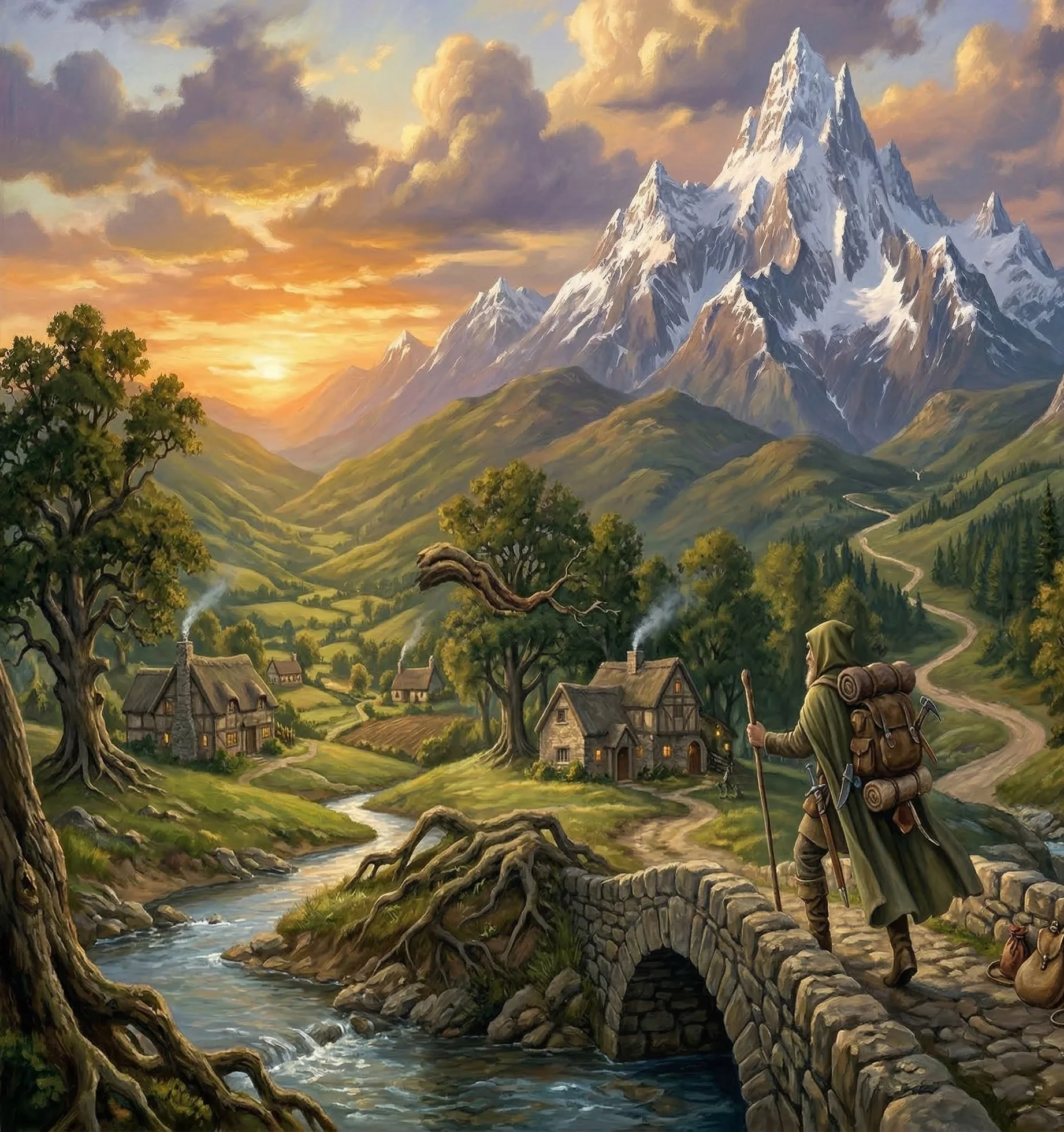
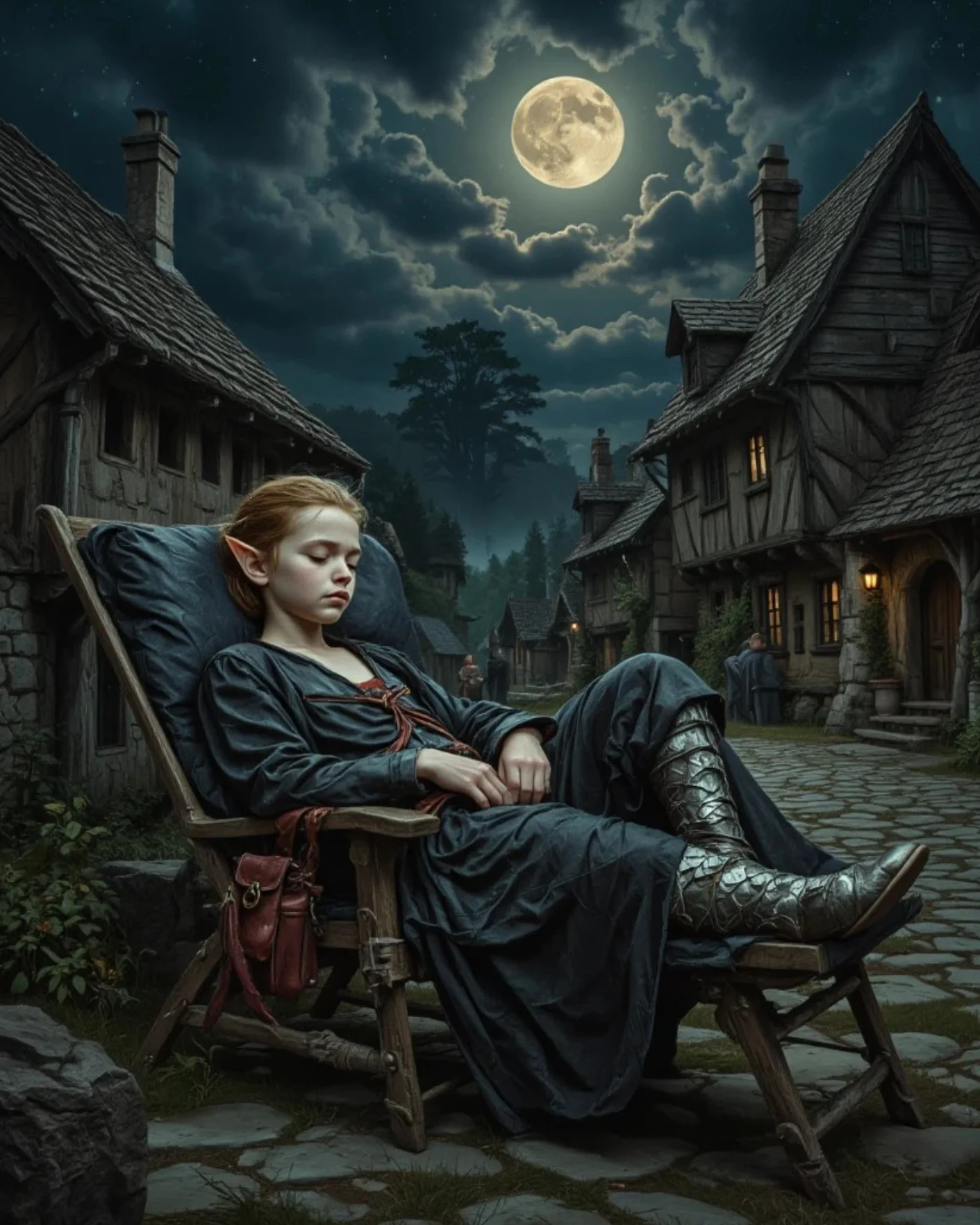
A traveler is not merely the sum of the miles they have walked, but the soil from which they first sprung.
Choose one base image, then frame the portrait, avatar, and token.